| TL;DR: Hiring an accountant who knows AI tools does not guarantee they can spot a convincing but incorrect answer. MAVI assesses candidates’ accounting knowledge, how they question AI output, and the checks built into workflows they have created. Its reviewers also evaluate their fit with each client’s role and systems. As AI takes on more routine work, finance leaders need people who can explain the numbers, investigate errors, and take responsibility for the results that shape business decisions across the company. |
A senior accountant can list every AI tool on their résumé and still approve the wrong answer. Using a tool well doesn’t show whether they would catch a flawed assumption hiding in a clean-looking report.
It’s not easy to test this skill in an interview. As AI takes on more accounting tasks, a missed error can have wider consequences. An incorrect figure can make its way into a financial report or influence a business decision before anyone catches it.
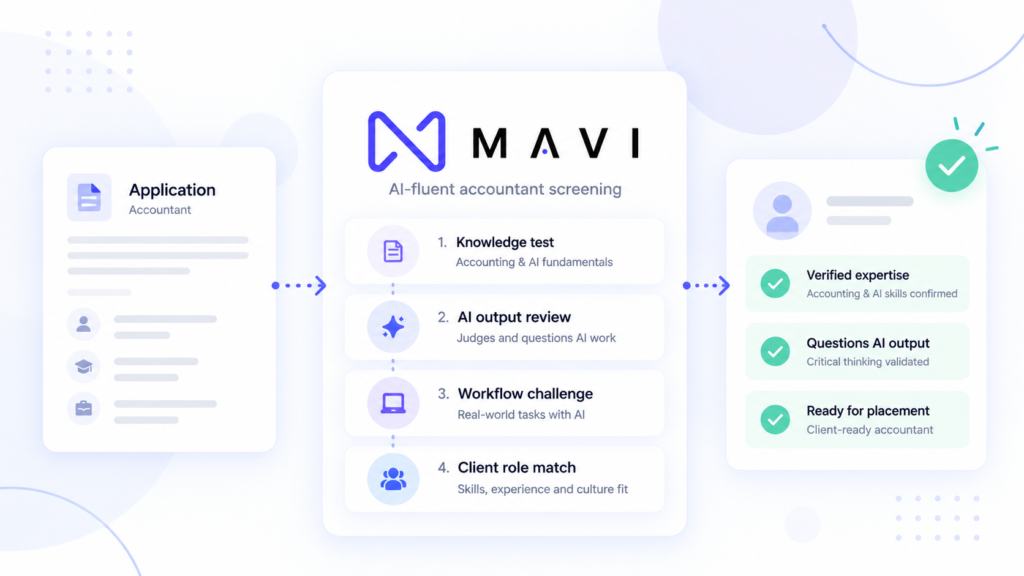
MAVI is a San Francisco-based company that connects U.S. companies with global accounting and finance professionals. Its vetting process involves assessing candidates’ accounting and finance expertise as well as their ability to evaluate AI-generated output.
Its approach helps answer a question more finance leaders now face: what should they look for before hiring an AI-fluent accountant?
Accounting Expertise Comes Before AI Tools
Research suggests that using AI doesn’t always make accounting work more accurate. In June 2026, according to the Journal of Accounting Research, AI helped accountants sort transactions more accurately overall. But following certain AI recommendations could increase the risk of error.
That’s also what MAVI looks for when screening AI accounting talent. In an interview with SaaSTake, cofounder and co-CEO Molly Liu explained what the company looks for first.
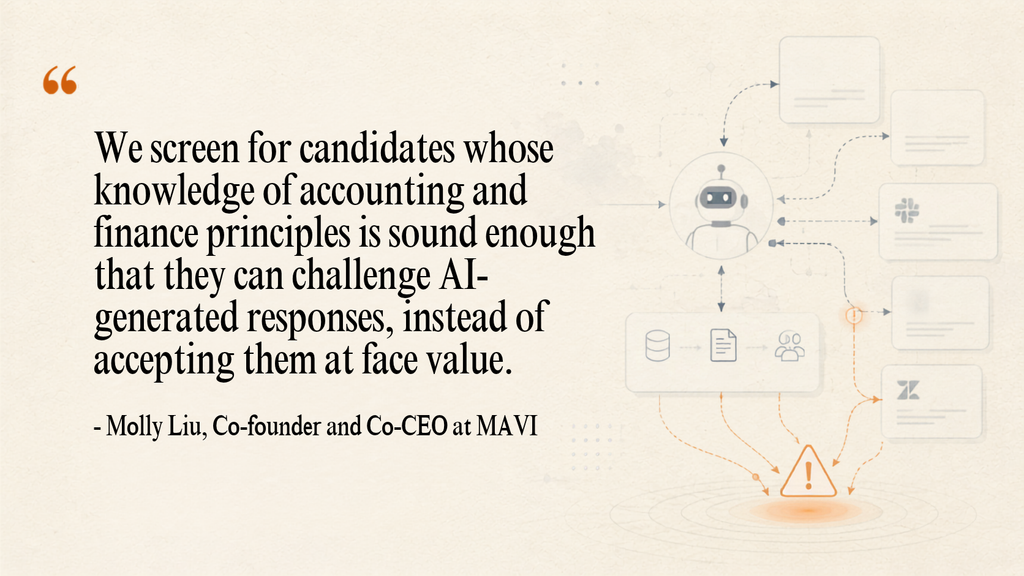
Liu says candidates must question the assumptions behind an AI-generated answer and trace its figures to the original data. In practice, they must also check whether the answer makes sense for the business and recognize when someone needs to review it again.
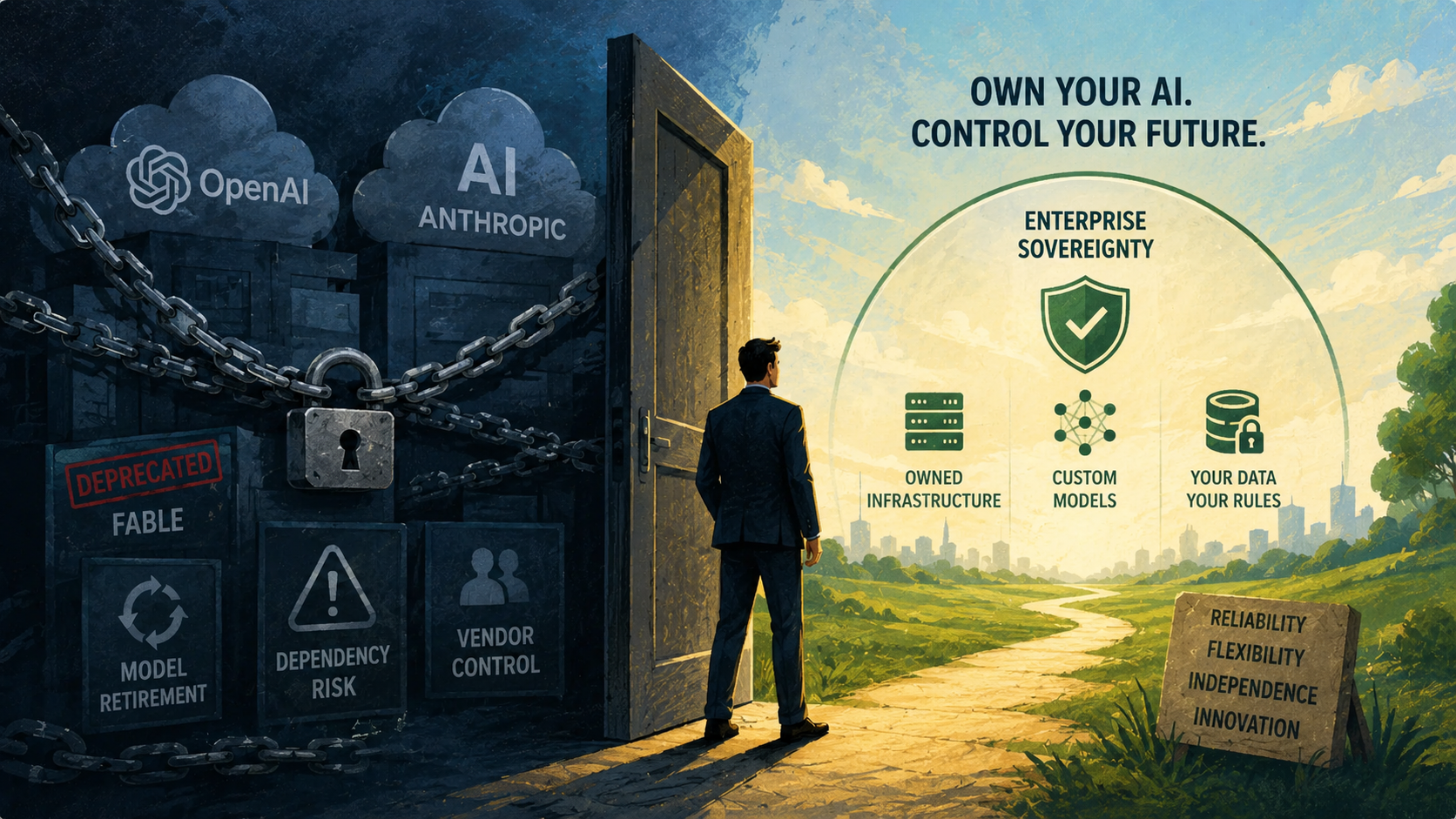
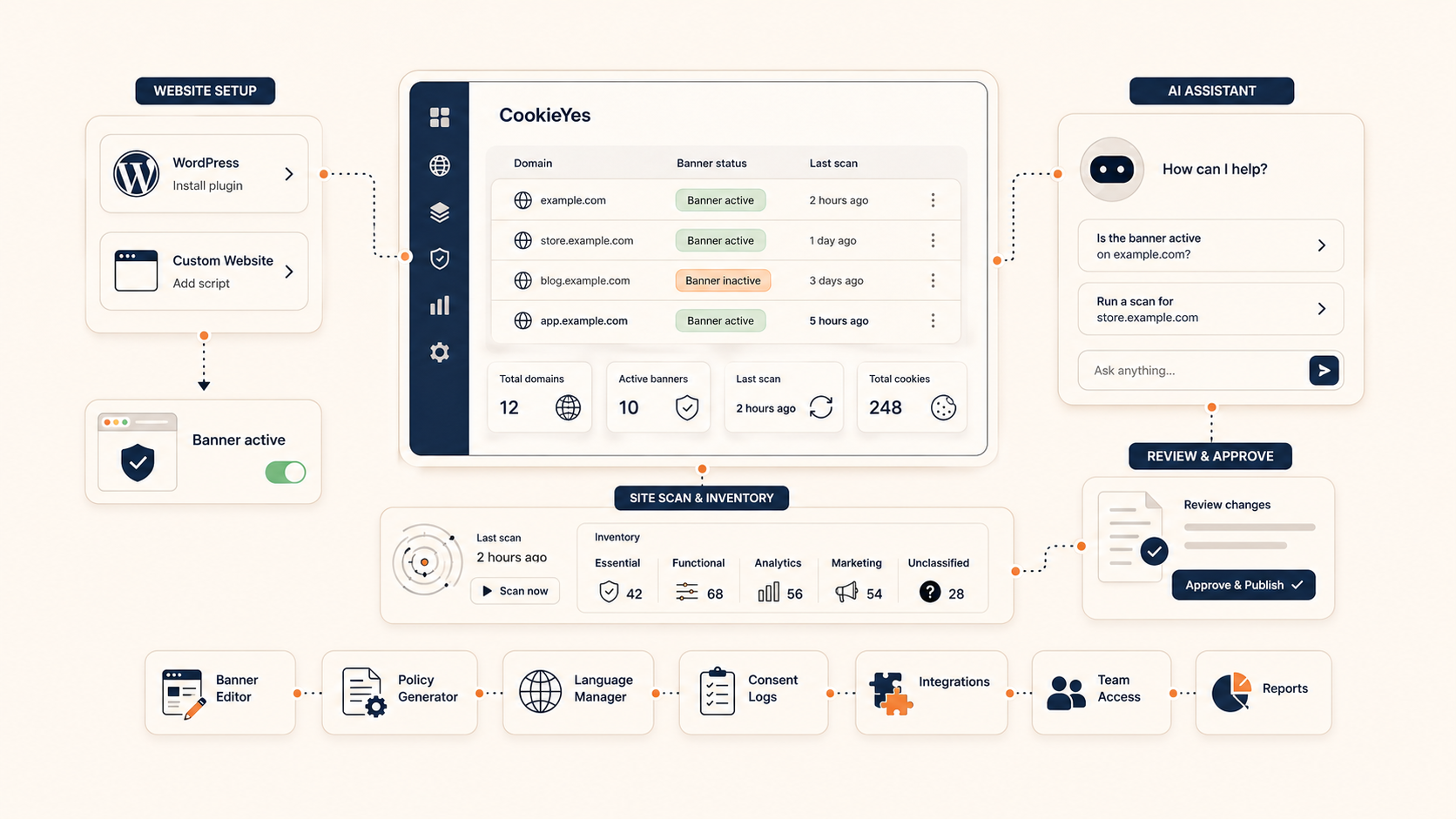
The same concern appears in analytical software. MoreSteam’s EngineRoom is designed to guide users through the reasoning behind an analysis, while its AI assistant Hexie is being developed to explain recommendations rather than simply hand users an answer.
The AICPA emphasizes the importance of accounting fundamentals and sound judgment when using AI. Its September update on its Profession Ready Initiative lists applying accounting fundamentals alongside judgment in using AI as early-career skills.
Strong Candidates Catch Errors That Look Reasonable
Obvious mistakes are easier to catch. MAVI cofounder and co-CEO Aman Puri says the real challenge is spotting errors in answers that appear correct.
An AI tool might assign a transaction to the wrong category or misunderstand its purpose. It might also apply a general accounting rule without recognizing an exception that changes how the transaction should be treated. An answer can appear logical while overlooking details about the company or transaction that would change the result.
However, there’s another issue to consider. Puri says accountants must also check the underlying data before AI starts working with it. He says:
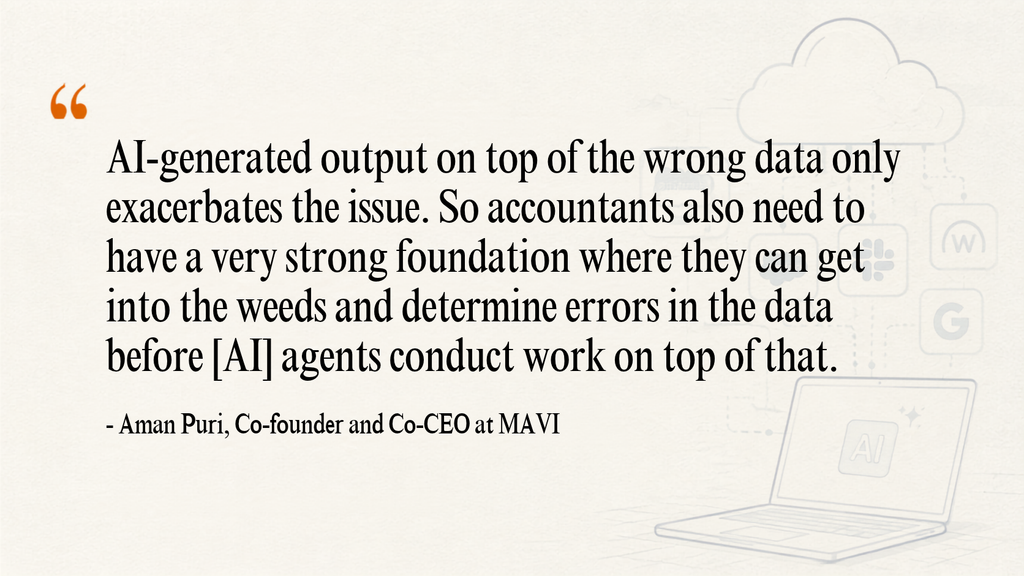
Data quality is also a wider concern across the profession. A July 2026 report from ACCA and Chartered Accountants Australia and New Zealand surveyed 1,600 finance professionals worldwide. Of those, 42% named data quality as a barrier to better business insights. The same share pointed to a lack of the right skills.
So, hiring managers should ask candidates how they verify an answer, not just whether they can produce one. This is also a useful principle when designing an accounting talent vetting process.
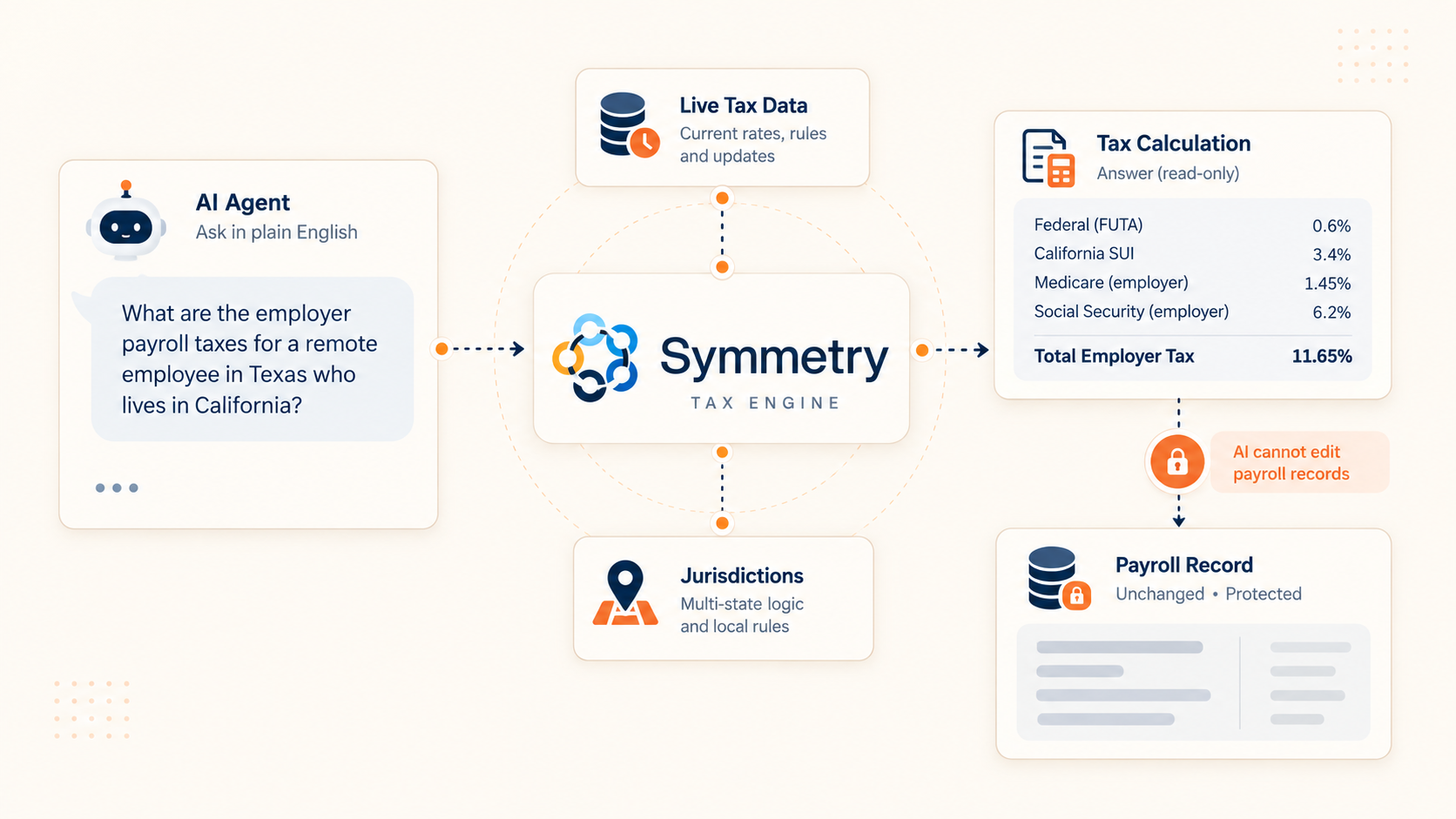
Equity research provides a practical example of what that verification can involve. Daloopa’s Scout gives analysts source links for the figures it places in financial models, helping them catch problems such as the wrong reporting period or the wrong financial metric.
Past AI Workflows Show How a Candidate Thinks
A list of tools doesn’t show how someone uses them in practice. Liu says MAVI asks candidates to explain the AI workflows they’ve built. She adds:
“We also assess their fluency working with AI tools by challenging the workflows they’ve built via AI and analyzing the impact they’ve created within their organizations.”
The same idea applies beyond MAVI. Finance hiring managers can use this approach too. Asking candidates to walk through a real AI workflow helps reveal how they check its output and what results the workflow produced.
A September 2026 survey commissioned by finance software company Datarails polled 270 U.S. CFOs and finance leaders. Of them, 96% reported spending at least 10% of their workday verifying or correcting finance AI output.
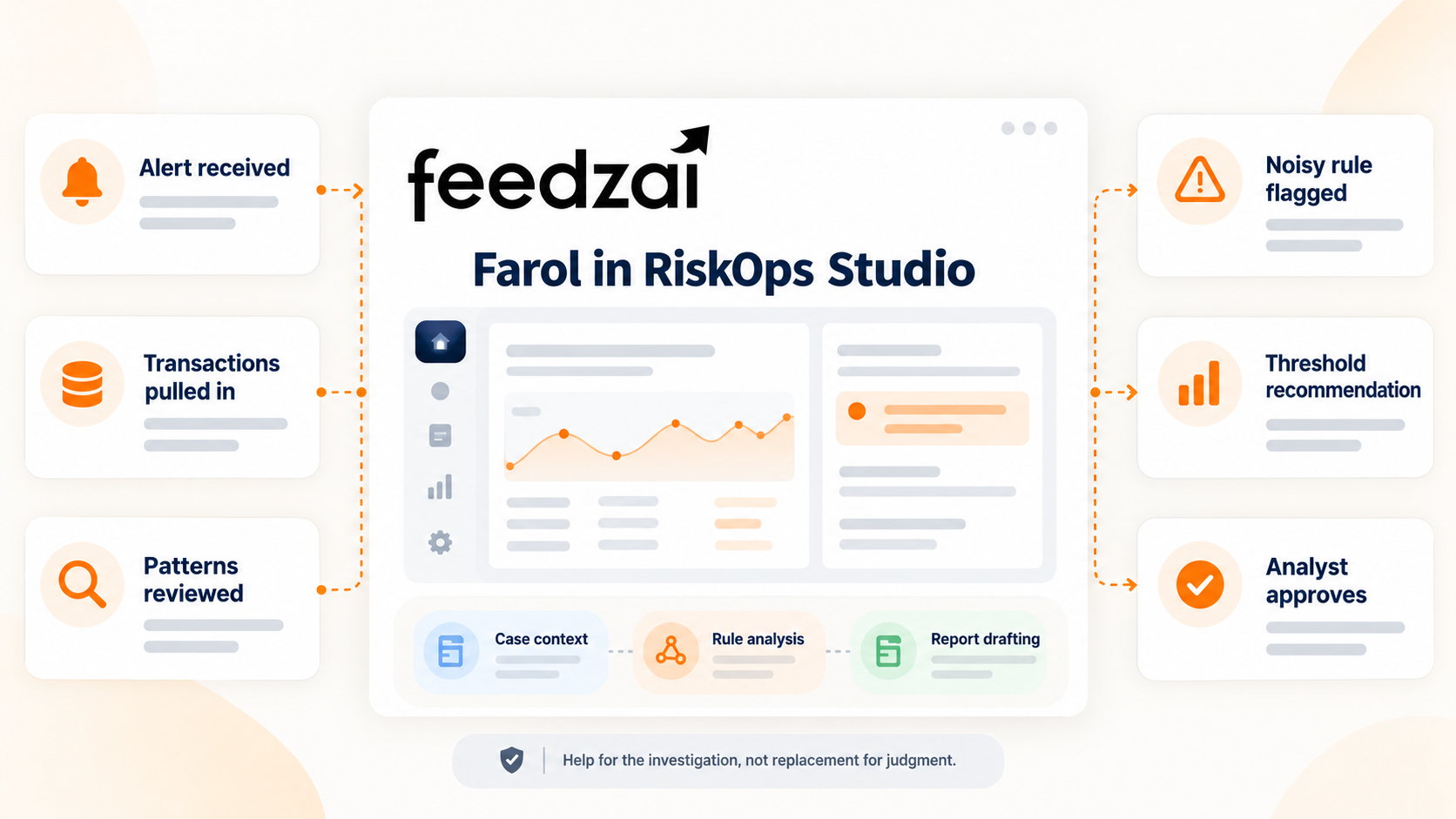
That review is also built into Datarails Desk, where AI drafts replies from connected financial records, but employees still check that the records support the answer before sending it.
For hiring managers, how candidates verify AI output may matter as much as what they automate.
Liu also values adaptability. AI tools change quickly, so she looks for people who can learn new tools and decide when they’re useful for accounting work. These qualities can also help guide a broader finance talent vetting process.
MAVI Vets Candidates Against Each Client’s Role
MAVI uses AI to screen finance and accounting candidates before its reviewers assess them. Its accountant vetting process considers candidates’ ability to catch errors in AI-generated financial work, but that is only one part of the fit. Liu laid out the full picture:
“Our vetting process involves assessing candidates’ finance experience, technical capabilities, AI competence, and working styles against the systems, workflows, and requirements embedded in each role.”
AI helps with the initial screening, after which MAVI’s reviewers assess candidates in live interviews before introducing them to clients.
MAVI says it accepts roughly 2% of the hundreds of thousands of applications it receives. The company also reports that customers selected one of its first two recommendations in about 90% of completed placements.

Molly Liu and Aman Puri, cofounders and co-CEOs of MAVI
The Right Hire Owns the Outcome, Not Just the Speed
Finance teams need more than faster accounting work. Liu says finance professionals must do more than report figures. They also need to explain what those figures mean and alert business leaders to potential risks.
Puri argues that finance professionals will also need to decide how AI should be used across the finance function. According to him:
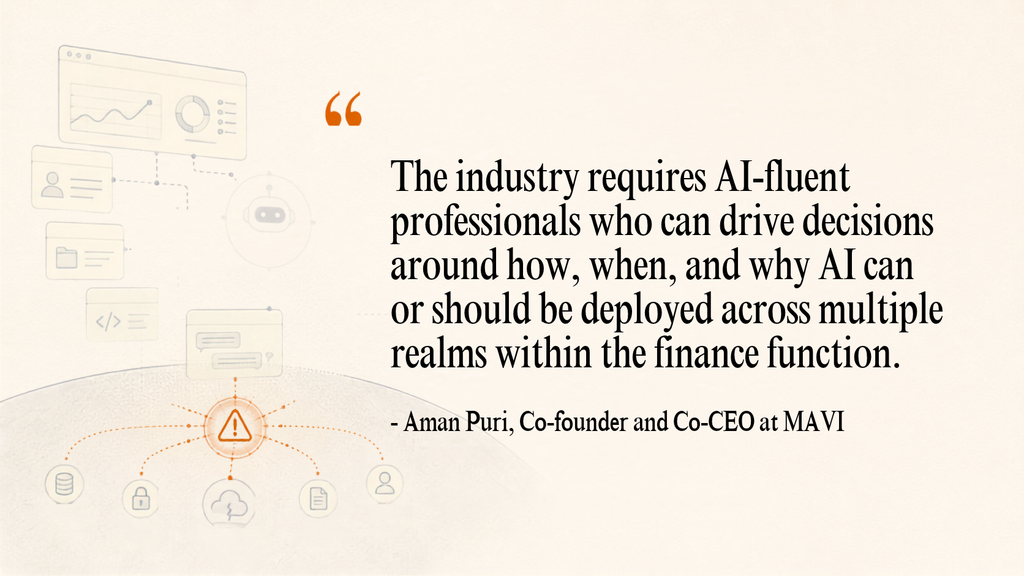
Many finance leaders are still figuring out how to govern AI use across their organizations. Deloitte’s second-quarter 2026 survey polled 200 North American CFOs at organizations with at least $1 billion in revenue. Of them, 93% reported AI use across multiple key functions, but only 43% felt confident in their organization’s AI governance.
Ultimately, Puri says accountants remain responsible for the final result, even when AI does much of the work. They must ensure the output is accurate and address any errors that affect business decisions.
Where to Find Pre-Vetted AI-Fluent Accountants
Companies exploring finance and accounting staffing options can use MAVI to find remote finance professionals who have already passed its screening process. Its network spans more than 3,000 professionals across over 20 countries, and it handles compliance and payments after each match.
According to MAVI, some companies have hired in as few as five days. Its internal comparisons put annual costs at least 50% below equivalent U.S. roles, including compensation and its fees.
At the end of the day, in finance staffing, how candidates explain their past work offers a useful test. The assumptions they questioned and the checks they ran say more about AI judgment than a list of tools on a résumé.