
| TL;DR: Asking Legal for a contract review in Slack takes seconds. Getting the request ready for review can take longer when the agreement is missing or the deadline is unclear. Streamline AI’s legal intake software for Slack asks for those details in the same conversation, then routes the completed request. Buyers can test it with a typical incomplete request and see whether the reviewer gets enough information to start. |
A procurement manager is about to sign a contract with a new software vendor. Company policy requires a legal review before signing, so they message the legal team on Slack asking for one by Friday. However, they haven’t attached the contract or explained why Friday is the deadline. That leaves the lawyer who picks it up with nothing to read and no sense of how urgent it is.
This is where legal intake software for Slack can help. The employee asks for help in Slack as usual, but Legal gets a request it can actually work with. How quickly the software collects the missing details determines when a lawyer can start reviewing it.
Streamline AI is one of the vendors taking this on, with a Slack Intake Agent built for in-house legal teams. For buyers, the real question is how much of this back-and-forth the agent can handle. To answer that, it helps to look at what delays a request before the actual review begins.
The Work That Comes Before Legal Review
For the lawyer receiving that message, the review cannot begin yet. They first need to ask for the contract and find out why Friday is the deadline.
Meghan Mitton, Streamline AI’s head of marketing, says missing information is usually the biggest source of friction at this stage. In her experience, getting those basic details can take days or even weeks before a lawyer can start working on the request. There’s also the question of who should handle the request. It might land in the wrong inbox or end up with two people working on it.
Mitton puts the cost simply: “It eats hours every week, and none of it requires a law degree.”
Meanwhile, the procurement manager is still waiting for a response. When requests take too long, employees sometimes find other ways to get their work moving. In Streamline’s survey of 467 business professionals, 66% said they at least occasionally went around formal legal channels to keep work moving.
Legal departments, on the receiving end, are dealing with more work. At the same time, in a separate Thomson Reuters Institute survey of 128 U.S. corporate legal department professionals, 81% reported rising volumes of legal matters. Together, the two surveys show what’s happening on both sides. Employees want an easy way to ask for legal help, while legal departments need enough information to handle those requests.
Streamline cofounder Kathy Zhu tried an earlier fix for that handoff at DoorDash. Speaking on The Legal Department podcast, Zhu recalled using Google Forms to handle incoming demand and help communicate priorities. The catch is, a form gives Legal the information it needs, but only if employees remember to fill it out. Legal intake automation brings those questions directly to employees, within the Slack conversation where they first asked for help.
What Streamline AI Does with an Incomplete Slack Request
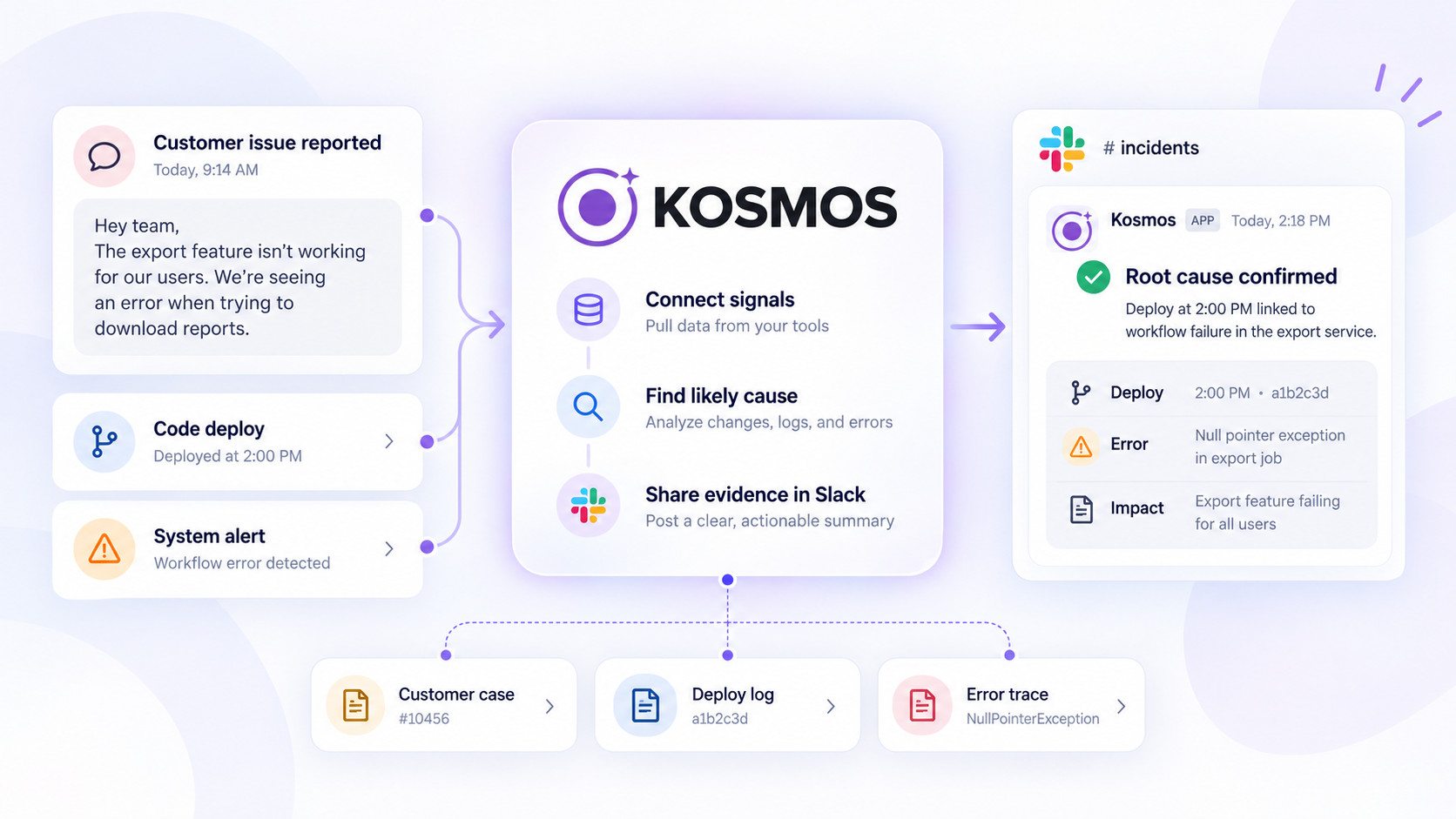
With Streamline, the procurement manager can still send a quick Slack message: “Can Legal review this vendor agreement by Friday?” This time, the Slack Intake Agent responds before the request reaches a lawyer. It recognizes a contract review and asks the procurement manager for the agreement and the reason behind Friday.
In practice, that’s how Streamline’s Slack legal intake workflow, launched in July 2026, is designed to work. Once the employee provides those details, the agent creates a structured request in Streamline. The request then goes to the right reviewer based on Legal’s existing routing rules. According to Mitton, the platform also brings up similar matters Legal has handled before, giving the reviewer some useful context.
For buyers comparing AI legal intake software, it’s worth looking closely at the questions the agent asks. If Friday turns out to be when the vendor’s offer expires, the reviewer knows to move the request up the list. The agent can also ask which version of the agreement Legal needs to review. Try submitting an incomplete request during the demo. You’ll see what the agent asks and what information reaches the reviewer.
Once the request is submitted, the procurement manager can check its status instead of wondering who’s handling it. Mitton says this visibility can also change how other departments interact with Legal. More importantly, when employees can check progress themselves, they don’t need to keep asking Legal for updates or find ways around the process.
Beyond the intake process, at LexTalk World, Mitton raised another issue with how in-house legal departments approach AI. Many still see it mainly as a research or drafting assistant for lawyers.
As she puts it:
Vendor reviews like the procurement manager’s are among the requests legal departments handle regularly. Standard NDAs are another example, particularly when AI is used to review legal documents before a lawyer steps in. Buyers can test the software with two requests: a standard NDA and one where the counterparty has changed an approved term.
Keeping Legal Requests in One Place Cuts the Time Spent Chasing Details
Eva Metsu spent years as the only lawyer at Lighthouse, a travel technology company. Back then, keeping track of legal requests across Slack and email was manageable. As Lighthouse grew, those requests became more frequent and more complex. A single agreement could go through several versions, with discussions spread across different messages. “I could no longer remember who said what, where, and when,” Metsu recalled.
Lighthouse eventually moved those requests into Streamline, rolling it out one department at a time. Instead of formal training, Metsu gave employees just ten sentences explaining how to use it. Comments on each request also gave Legal and business stakeholders one place to discuss contracts.
As a result, within two months, Lighthouse’s legal team spent 40% to 50% less time tracking down information and directing people to the right resources. Legal departments evaluating legal request intake software can track how much time they spend chasing information before and after implementation.
The Demo Should Start With the Message Legal Gets Today
Legal intake and triage software doesn’t all work the same way. For instance, LawVu lets employees open a form in Slack and carry attachments from the original thread into the matter record. In October, Harvey announced an intake product that routes work and uses AI agents for a first review.
All the companies take a different approach to legal intake. For legal departments evaluating AI legal intake software, the question is straightforward: Which steps should their tool handle before a lawyer gets involved?
The best way to find out is to bring an actual Slack request to the demo, including the details employees usually leave out. Once the missing details are provided, check whether the request reaches the right person and whether employees can track its progress. It also helps to check what happens when the first reviewer passes it to someone else.
For Mitton, a smoother process can change when employees ask for help. She said:
A Pilot Shows Where Legal Requests Spend Their Time
A demo shows how the software behaves, but a pilot shows where the time goes. Buyers should log when each request arrives, when it’s ready for review, when it’s assigned, and when it closes. If review still takes four days but Legal receives a complete request a day earlier, you’ve saved a day at the intake stage. If a complete request sits without an assigned reviewer, the problem is with routing, not intake.
Ultimately, employees can still ask for legal help with a simple Slack message. But this time, Legal gets the agreement and knows why Friday matters. At DoorDash, Zhu used Google Forms to bring structure to incoming requests. Streamline AI is betting the same questions belong inside Slack, asked before the request ever reaches a lawyer.