| TL;DR: We picked 26 marketing books across copywriting, psychology, strategy, creativity, sales, and more, and pulled out what makes each one worth reading. You’ll also see who each book is suited for, so you can find one that fits your interest the best. |
There are plenty of lists of the best marketing books online. The harder part is figuring out which ones are actually worth your time.
Some are great for sharpening your copy. Whereas others are better for understanding customers, positioning a brand, ideating, or thinking differently about growth. And then there are the classics that are worth reading simply because they changed how marketers think.
So we picked 26 books across different corners of marketing and pulled out the idea that makes each one worth reading. We also added who each book is best suited for, so you can quickly find the ones that fit what you’re working on.
PS: We’re not here to give you a chapter-by-chapter summary. We’re focusing on the ideas that stayed with us.
Let’s get into them.
1. Hypnotic Copywriting
Written by: George Hutton
You click on a landing page because the headline caught your attention. A few scrolls later, you’re skimming instead of reading.
The page has the features. The benefits are there. There’s even a CTA. Nothing is obviously wrong. You just aren’t convinced enough to keep going.
That’s the kind of problem Hypnotic Copywriting addresses. George Hutton calls this approach Subconscious Objection Flipping.
The idea is that readers don’t just consume a sales page. They’re quietly evaluating it as they go. “Is this worth the money?” “Why should I buy this now?” ”Would this actually work for me?”
Those questions can become objections if the copy never addresses them.
Hutton’s approach is to catch those objections early and address them within the copy, before they become reasons to walk away. He goes much deeper into how to do that in the book.
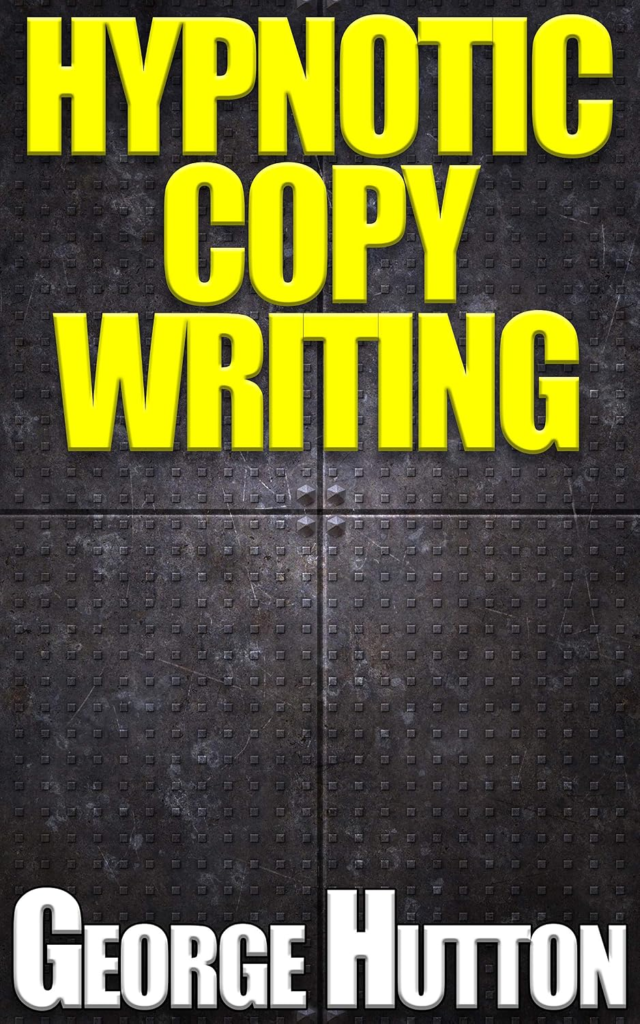
Source – Amazon
| Why We Recommend It: Pick this up if you already know the basics of persuasive copy but want to think more carefully about what happens before a reader decides to buy. It’s especially relevant for marketers working on landing pages, sales pages, and conversion-focused copy. The book is worth reading for the thinking behind the technique, not just the technique itself. |
2. Blue Ocean Strategy
Written by: W. Chan Kim and Renée Mauborgne
What if the smartest way to beat your competitors was to stop competing with them?
That’s the question at the heart of Blue Ocean Strategy. Kim and Mauborgne argue that companies don’t always have to fight for a bigger share of an existing market. Sometimes, the better move is to create a new market space altogether.
The idea sounds simple. Putting it into practice is where things get interesting.
The book’s central idea is value innovation. It means pursuing differentiation and low cost at the same time. Instead of adding more to an existing offer, the authors ask businesses to rethink what they should eliminate, reduce, raise, or create.
Cirque du Soleil is one of the book’s best-known examples. It didn’t try to become a better traditional circus. It changed what the experience could be.
For a marketer, that’s the interesting bit.
If everyone in your category is selling speed, convenience, and better results, saying the same thing with sharper copy won’t make you different.
The better question is whether those are the things worth competing on at all.
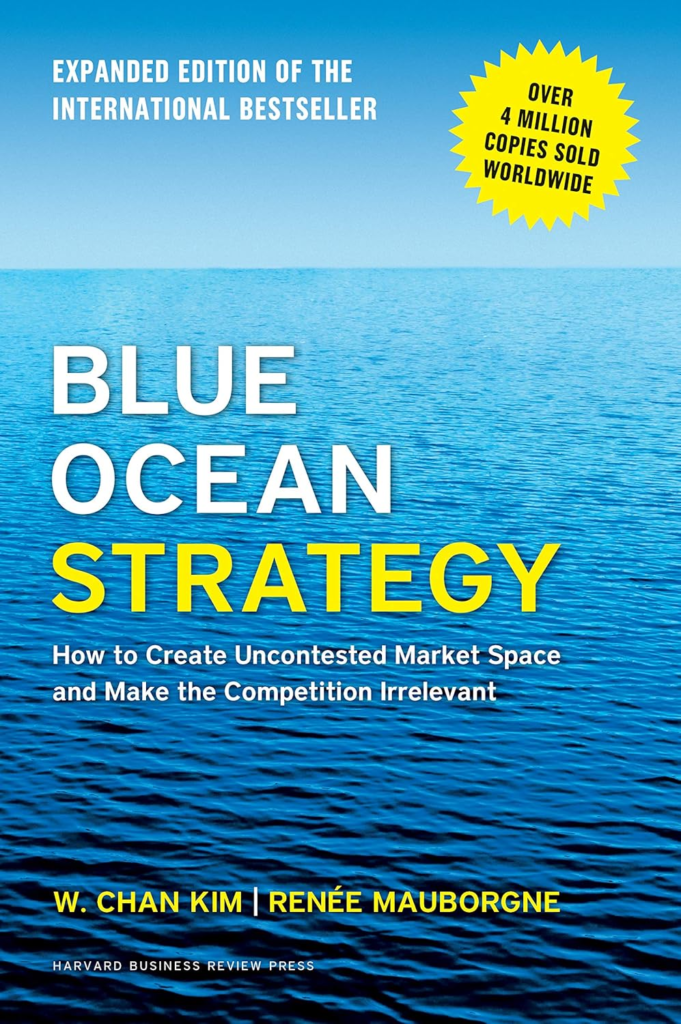
Source – Amazon
| Why We Recommend It: Pick this up when your category feels crowded, and your positioning sounds like everyone else’s. It’s particularly useful before a positioning exercise or a new launch. |
3. Audacious: How Humans Win in an AI Marketing World
Written by: Mark Schaefer
AI can now help almost anyone produce competent marketing.
That’s useful. However, it also creates a problem.
When everyone has access to the same tools, producing more content isn’t much of a competitive advantage. The harder part is making something people actually notice.
That’s the problem Mark Schaefer takes on in Audacious: How Humans Win in an AI Marketing World.
His answer isn’t to compete with AI at producing more. It’s to get better at the things that make marketing feel unmistakably human: creativity, imagination, and the willingness to break the expected pattern.
And Schaefer doesn’t just write about that idea. He put it on the cover.
The book has a QR code that activates an AI-generated augmented reality experience. The cover keeps changing, with the visuals generated from stories in the book. The cover itself makes the point. If your marketing looks like everything else, change the way you tell the story.
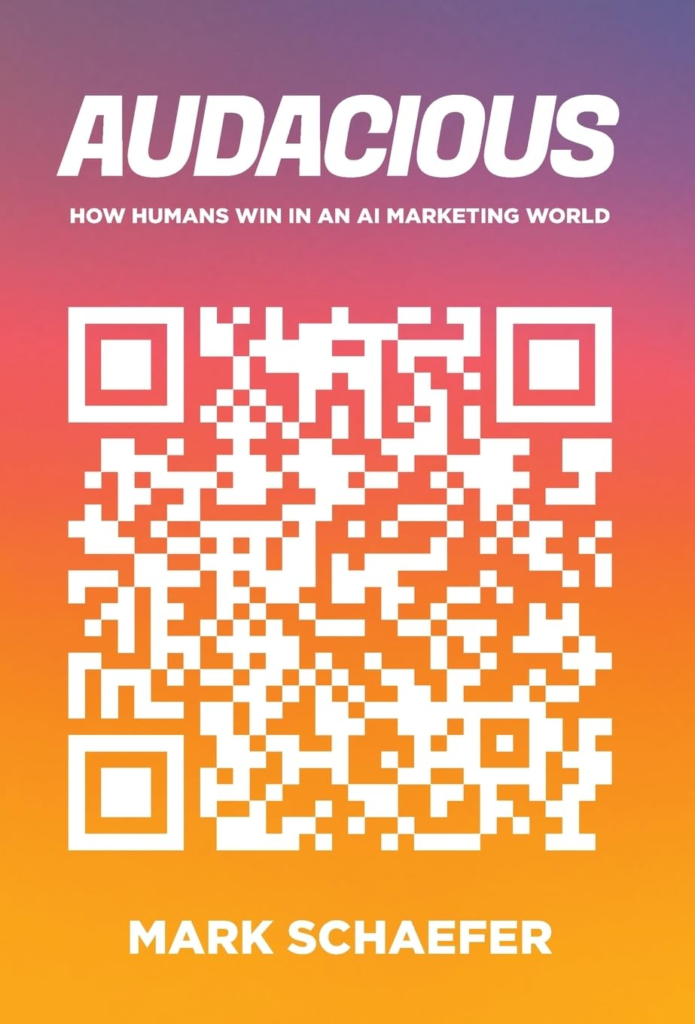
Source – Amazon
| Why We Recommend It: Audacious is a good pick for marketers who feel like AI is making everything faster but also making everything look a little too similar. It’s especially relevant if your work involves content, campaigns, or brand storytelling. The useful challenge here isn’t “How can AI help us make more?” It’s “What would make someone stop and look?” |
Recommended Watch: Check out this marketing podcast where Aditi Syal talks with Mark Schaefer about gated content, cold outreach, and why community wins over traditional advertising.
4. The Greatest Salesman in the World
Written by: Og Mandino
The title makes it sound like you’re about to learn how to sell more.
You don’t.
The Greatest Salesman in the World is actually a story about Hafid, a poor camel boy who dreams of becoming a great merchant. His journey eventually leads him to ten scrolls, each containing a lesson on building the habits and mindset needed to succeed in selling.
The scrolls aren’t a collection of quick sales tricks. They are meant to be practised repeatedly, with the first scroll read three times a day for 30 days before moving on to the next.
That makes the book’s approach to selling quite different. Good selling isn’t only about knowing what to say when the opportunity comes up. It’s also about the habits you build when nobody is buying yet.
The book is less interested in teaching you a sales script than in shaping the person delivering it.
Source – Amazon
| Why We Recommend It: Pick this up if you’ve read enough sales books focused on tactics and want a different take on selling. Its lessons on consistency and persistence apply just as much to campaigns, content, and brand building. The tone may feel dated, but the underlying lesson still holds. |
5. Hooked: How to Build Habit-Forming Products
Written by: Nir Eyal
Getting someone to try your product is one thing. Getting them to come back without being reminded is much harder. Yes, I am referring to the concept of mental availability.
That’s where Hooked gets interesting.
Nir Eyal’s Hook Model looks at what makes products become part of a user’s routine. It moves through four stages: trigger, action, variable reward, and investment.
The interesting bit is the last one.
A user doesn’t just get something from the product. They put something back into it, too. It could be time, data, content, preferences, or effort. According to him, that investment can make the product more useful the next time they return.
Think about an app you’ve been using for years. By now, it probably knows your preferences, has your history, remembers your settings, or has become part of how you do something.
Leaving it isn’t as simple as deleting an app.
That’s the part of Hooked worth thinking about: how a product becomes more valuable because you’ve already used it.
Source – Amazon
| Why We Recommend It: Pick this up if you’re a marketer working on a product where retention matters as much as acquisition. It’s particularly useful for SaaS, apps, and subscription products. The book is a good reminder that getting someone to sign up is only the beginning. |
6. The 22 Immutable Laws of Marketing
Written by: Al Ries and Jack Trout
What do you want people to remember about your brand when they can only remember one thing?
That’s the question The 22 Immutable Laws of Marketing keeps coming back to. The authors, Al Ries and Jack Trout, argue that marketing isn’t about saying everything a brand can do. It’s about owning something specific in the customer’s mind.
One of the book’s strongest ideas is the Law of Focus. It argues that brands should find a simple word or concept they can own in the customer’s mind.
That sounds easy until you have a product with twenty features and a marketing team that wants every one of them mentioned. The temptation is to say more. The book makes the case for doing the opposite.
Sometimes stronger positioning starts with deciding what not to say.
Source – Amazon
| Why We Recommend It: It’s worth reading if your brand messaging is trying to do too much at once. It’s particularly useful for marketers working on positioning, brand messaging, or category strategy. The book makes a strong case for saying less, and making that one thing count. |
7. Influence: The Psychology of Persuasion
Written by: Robert B. Cialdini
“Over 10,000 customers.” “Best seller.” “Trusted by leading brands.”
You’ve seen these lines everywhere.
They can look like harmless bits of social proof. But Robert B. Cialdini’s Influence: The Psychology of Persuasion explains why they can carry much more weight than we realize.
Cialdini explores the psychological shortcuts people use when making decisions. One of the most familiar is social proof. When we’re unsure what to do, we often look at what other people have done, particularly when those people seem similar to us.
That makes the familiar marketing examples above more interesting. A testimonial isn’t just there to make a page look trustworthy. A customer logo isn’t merely decoration. They can help answer a question a buyer hasn’t quite resolved yet.
“If people like me are choosing this, maybe I’m making the right choice too.”
That’s the kind of thinking Influence helps you notice. And once you start seeing it, you begin spotting these persuasion cues everywhere.
Source – Amazon
| Why We Recommend It: Influence is worth reading if you want to understand why certain marketing tactics work before you start using them yourself. It’s particularly useful for marketers working on messaging, conversion, and customer psychology. The real value is learning to recognize the psychology behind persuasion, not just memorising the principles. |
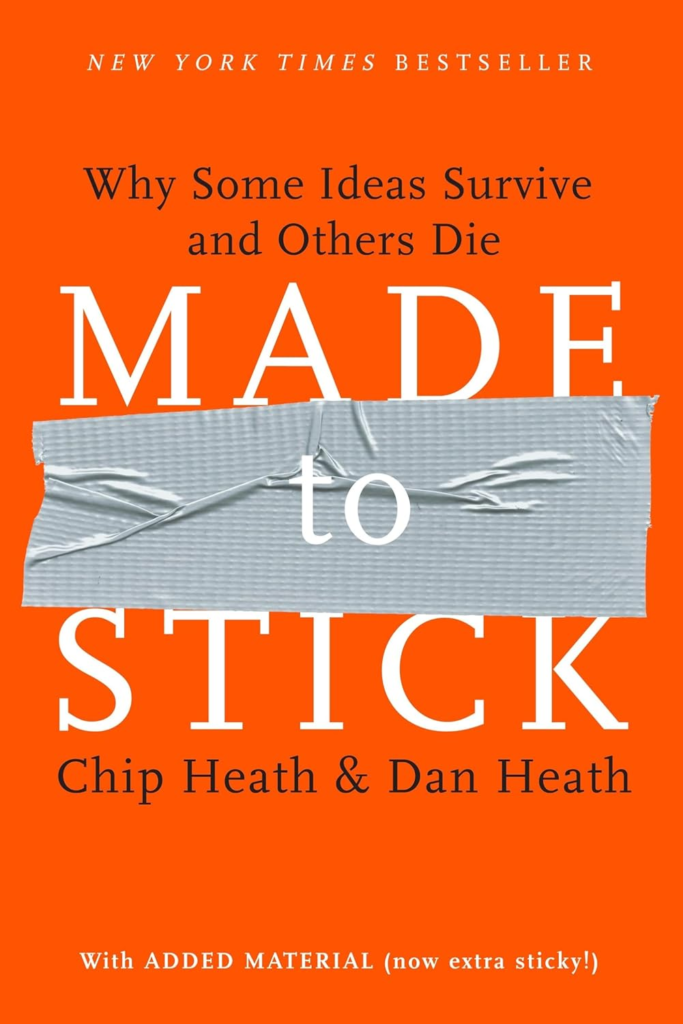
8. Made to Stick
Written by: Chip Heath and Dan Heath
Why do some ideas stick with you while others disappear five minutes after you hear them?
That’s the question Chip Heath and Dan Heath explore in Made to Stick. The book looks at why certain ideas are remembered, repeated, and acted on while others are quickly forgotten.
One idea that stands out in the book is how often simplicity gets confused with making something simplistic. A complicated idea doesn’t necessarily need a complicated message. The challenge is finding the one thing people should remember and building the message around it.
Think about a product launch with ten features. The marketing team may want to talk about all ten because each one matters. But the customer probably isn’t going to remember all ten.
The job isn’t to say everything. It’s to make the important thing stick.
The book goes much deeper into what makes ideas memorable, but that distinction alone is useful for anyone writing marketing content.
Source – Amazon
| Why We Recommend It: Made to Stick is worth reading if your content is informative but doesn’t always stay with the reader. It’s particularly useful for marketers who spend their days turning complicated products, ideas, or data into something people can actually understand and remember. The book makes you think harder about what deserves to survive the edit. |
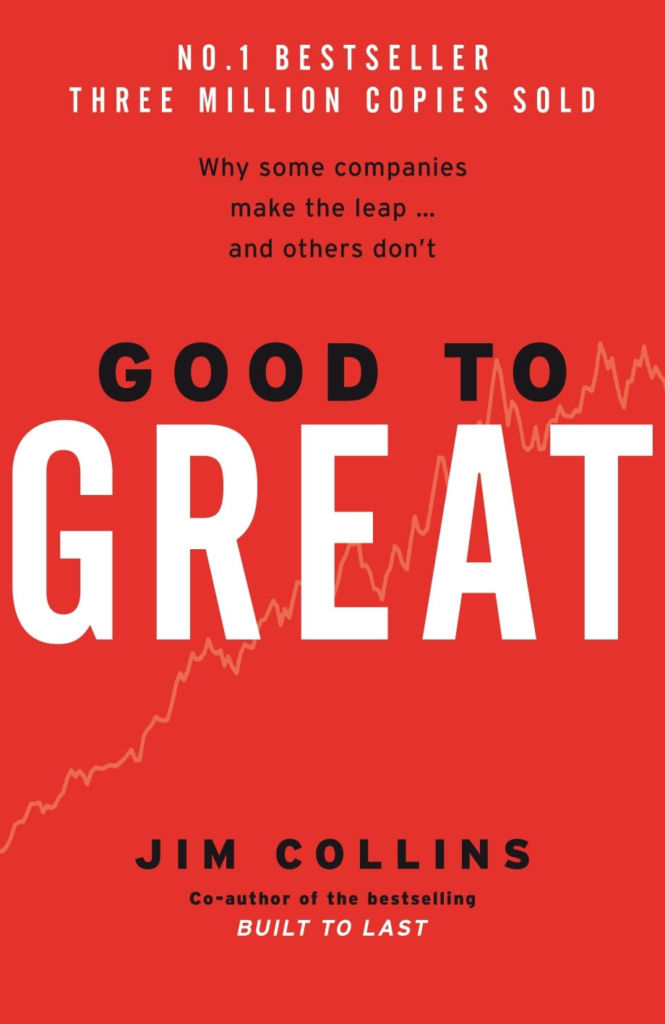
9. Good to Great
Written by: Jim Collins
Big results can make it look like something big must have happened.
A major launch. A brilliant strategy. One decision that changed everything.
Good to Great makes a different case. Jim Collins found that the companies that made the leap from good to great rarely got there through one dramatic move. They think about long-term growth.
Collins calls this the Flywheel Effect. You see, a heavy wheel doesn’t suddenly start spinning. It takes repeated pushes in the same direction before the movement becomes noticeable.
But what those companies did to keep the wheel moving is where Good to Great gets much more interesting.
Source – Amazon
| Why We Recommend It: Good to Great is worth reading when you’re tempted to look for the next big thing that will change everything. It’s particularly useful for marketers working on long-term growth, content strategy, or brand building. The book is a good reminder that momentum rarely looks impressive while you’re building it. |
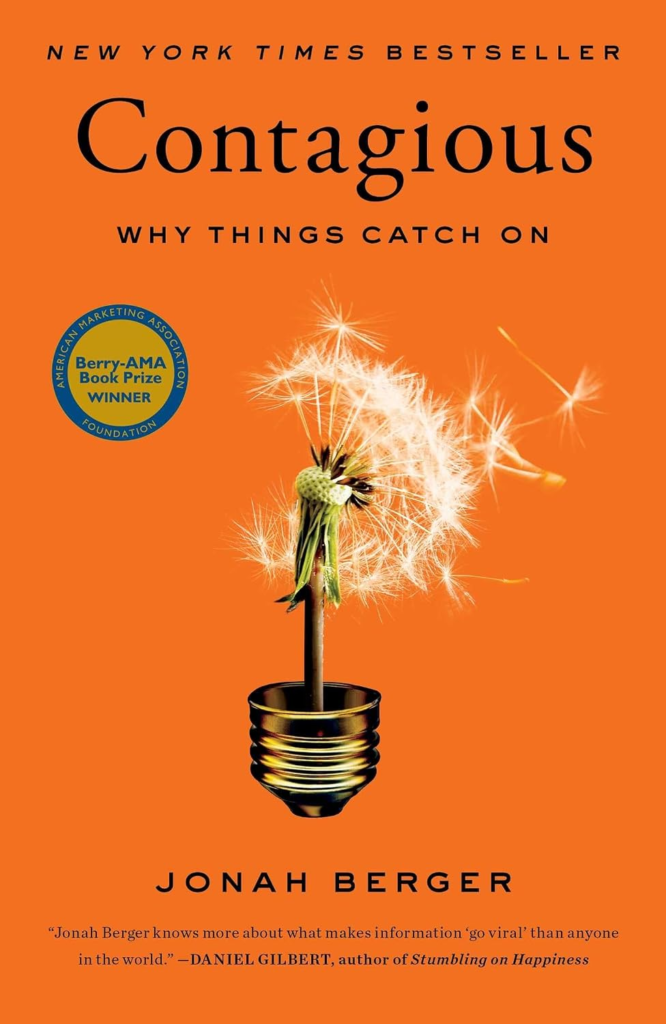
10. Contagious: Why Things Catch On
Written by: Jonah Berger
Some things spread everywhere. Others barely get noticed.
Contagious looks at why behind it. Jonah Berger breaks down the reasons people talk about and share certain products, ideas, and content.
One idea that stands out is Social Currency. People don’t just share something because they like it. What they share can also make them look interesting, informed, or in the know.
Think about the things you send to a friend with, “Have you seen this?” Sometimes the thing itself isn’t the whole reason you shared it. You liked what it said about you, too.
That’s a small shift in how to think about word of mouth, but it’s an important one.
Source – Amazon
| Why We Recommend It: Contagious is a good read for marketers who want to understand why some ideas travel further than others. It gives you a useful way to think about sharing before you start asking how to make something “go viral.” The book makes word of mouth feel less like luck and more like something you can understand. |
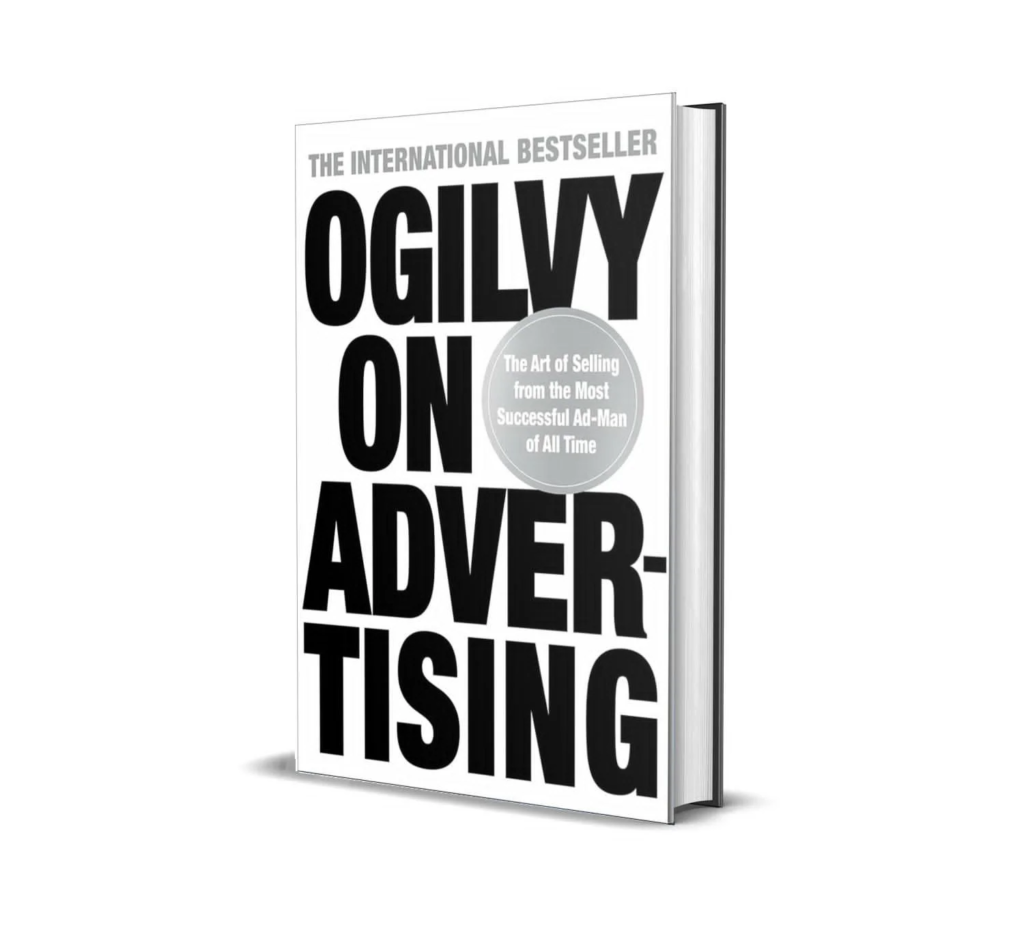
11. Ogilvy on Advertising
Written by: David Ogilvy
A good headline doesn’t always begin with a good idea.
Sometimes it begins with doing a lot of homework.
David Ogilvy was almost obsessive about understanding the product before writing about it. For the Rolls-Royce account, he spent three weeks reading about the car before curating the ad that became one of advertising’s most famous headlines.
That headline wasn’t pulled out of thin air. It came from knowing the product well enough to notice something worth saying.
That’s one of the things Ogilvy on Advertising gets right. Good advertising isn’t just about being creative. It’s about finding something true and interesting about the product, then making people care about it.
And that feels surprisingly relevant now, when it’s easier than ever to produce polished copy without spending much time understanding what you’re actually selling.
The research may happen before anyone sees the ad. But the quality of the ad often depends on it.
Source – Amazon
| Why We Recommend It: Ogilvy on Advertising is worth reading if you want to understand the thinking behind advertising that is meant to sell, not just look good. It’s particularly useful for marketers and writers who sometimes jump into the copy before doing enough digging. Some of the examples are unmistakably from another era. The discipline behind them isn’t. |
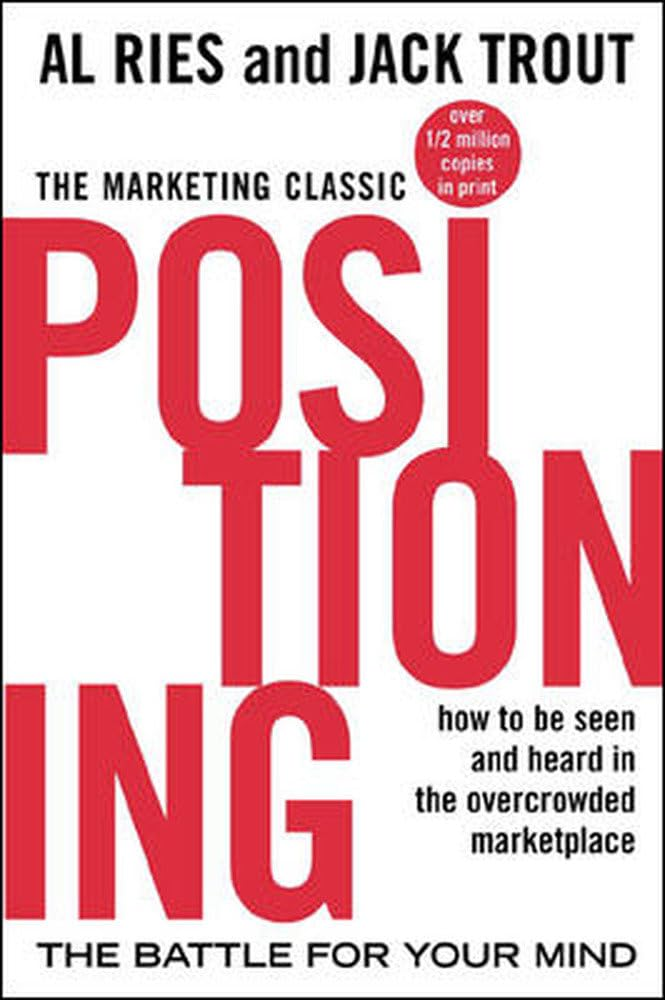
12. Positioning: The Battle for Your Mind
Written by: Al Ries and Jack Trout
Being better isn’t always enough.
You can have a better product, more features, and a longer list of reasons to choose you. If the buyer already has a fixed idea of where you belong, none of that may matter.
That’s the argument Al Ries and Jack Trout make in Positioning: The Battle for Your Mind. They argue that positioning isn’t really about changing the product. It’s about creating a place for it in the prospect’s mind.
That explains why the book spends so much time talking about leaders, followers, and competitors. You don’t position a brand in isolation. You have to understand what already occupies that space.
And this is where the book gets uncomfortable for marketers.
Sometimes the problem isn’t that your brand isn’t good enough. It’s that you’re trying to take a position someone else already owns.
The answer then isn’t always to shout louder. Sometimes, you need to find another place in the customer’s mind.
Source – Amazon
| Why We Recommend It: Positioning is worth reading if your product is good, but your messaging still feels interchangeable with the competition. It’s particularly useful when you’re working on a new category, repositioning a brand, or trying to figure out what your company should actually be known for. The book is old, but the problem it describes has only become harder as more brands compete for the same attention. |
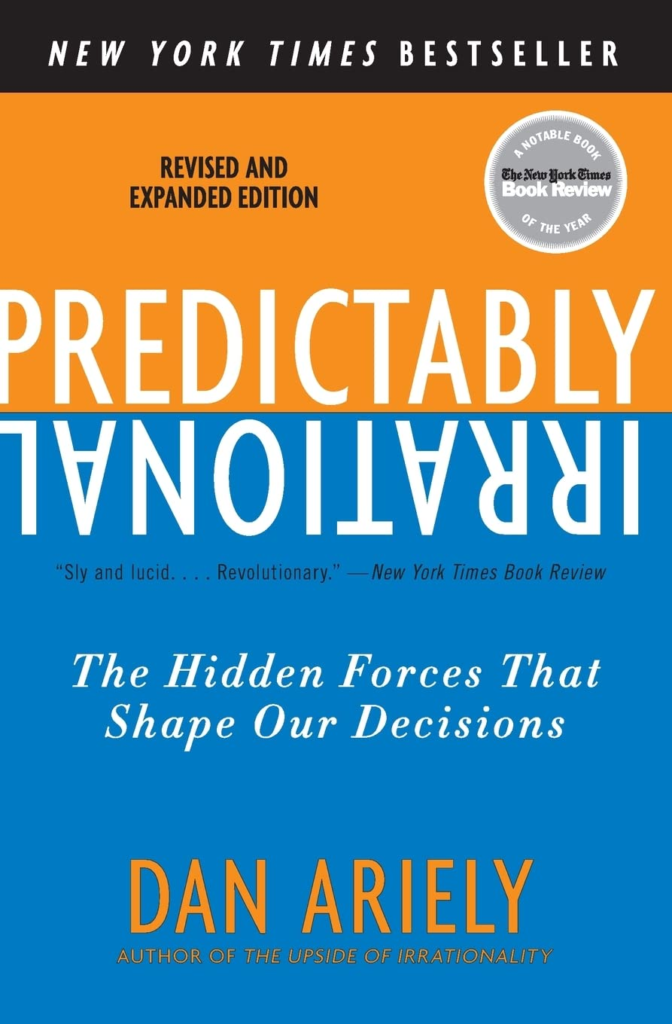
13. Predictably Irrational
Written by: Dan Ariely
We’ve all seen it while scrolling. A product is on sale, and the offer looks decent. Then you notice those two magic words: “free delivery.”
Suddenly, the offer feels better.
That’s the kind of behaviour Dan Ariely explores in Predictably Irrational. The book looks at how small details can influence our decisions in ways we don’t always notice.
One of his most interesting examples is the zero-price effect. In his experiments, people chose completely differently once one option became free, even though the price difference between the two options stayed exactly the same.
We’ve probably all fallen for some version of this.
Sometimes “free” doesn’t just make an offer cheaper. It makes it feel harder to refuse.
Source – Amazon
| Why We Recommend It: Predictably Irrational is a good read if you want to understand why customers don’t always behave the way we’d expect. It’s particularly useful for marketers working on understanding customer behaviour. The book makes you look twice at the small details that can change a buying decision. |
14. Purple Cow
Written by: Seth Godin
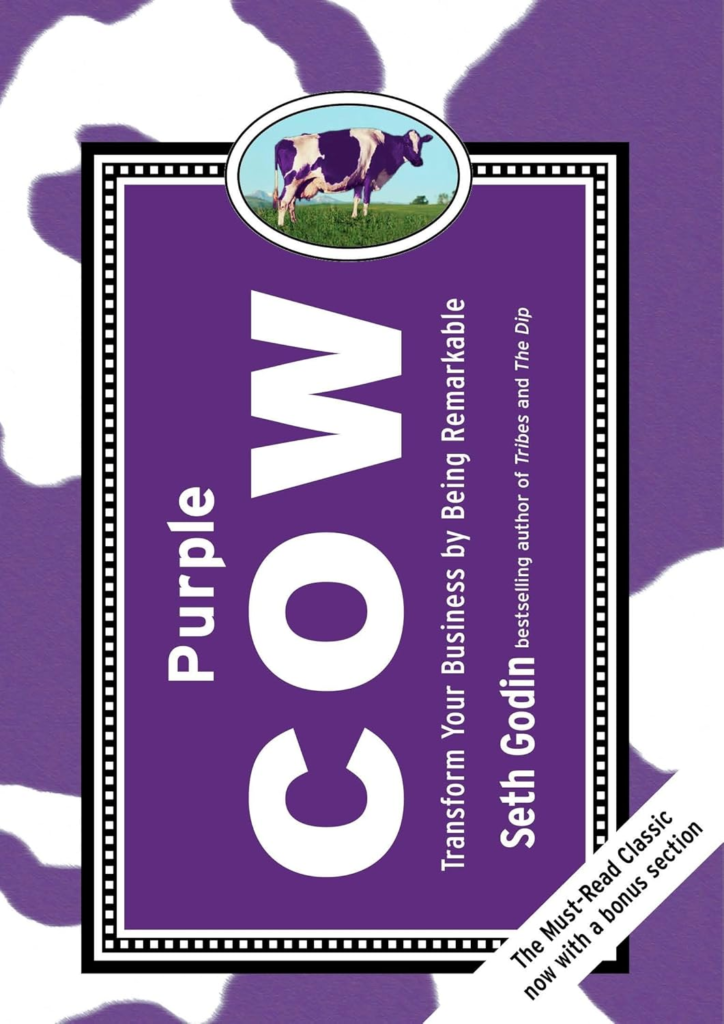
Imagine driving past a field full of cows.
You notice them at first. Then you see another field full of cows. Then another. After a while, you stop looking.
Now imagine one of those cows is purple. You will think about it for a long time.
That’s the idea behind Purple Cow. Seth Godin uses the image to make a simple point about marketing. Being good isn’t always enough. When everything around you looks familiar, even a perfectly good product can become invisible.
The central premise of this book is that something worth marketing should first be worth noticing. That doesn’t necessarily mean making something loud or gimmicky. It means giving people a reason to stop, pay attention, and, ideally, talk about it.
And that’s where the idea gets useful for marketers.
If your product looks like everything else in the category, better advertising may not be the answer.
Source – Amazon
| Why We Recommend It: Purple Cow is worth reading when your marketing feels polished but forgettable. It’s particularly useful when you’re working on a product, campaign, or brand that needs to stand out in a crowded category. The book puts the responsibility in an interesting place. Before asking how to market something, ask whether there’s anything worth talking about. |
15. Whatcha Gonna Do with That Duck?
Written by: Seth Godin
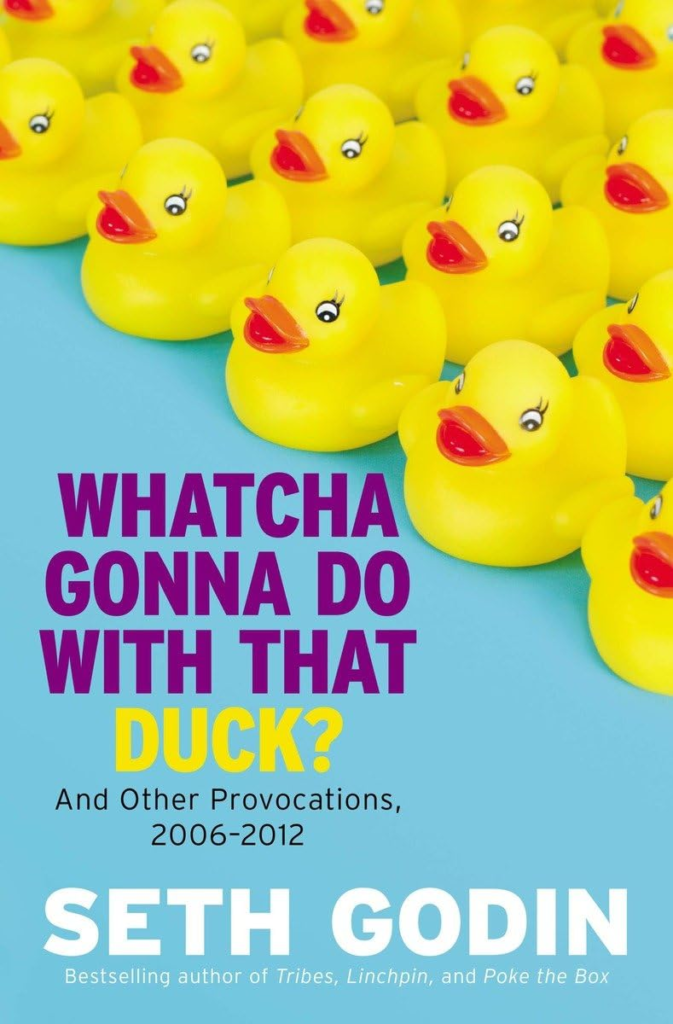
You have a duck. Now what are you going to do with it?
Sounds ridiculous, doesn’t it?
That’s exactly why the question sticks.
Whatcha Gonna Do with That Duck? is a collection of Seth Godin’s ideas on marketing, creativity, work, and making things happen. The duck becomes a way of thinking about what we do with the ideas, opportunities, and possibilities sitting in front of us.
And marketers have plenty of those.
At some point, the question isn’t whether the idea is good. It’s what you’re actually going to do with it. That’s the part of the book worth sitting with.
Source – Amazon
| Why We Recommend It: This is a good book for marketers who spend a lot of time thinking, planning, and refining, but could use a push toward actually doing. It’s also an easy one to dip into rather than read from cover to cover. Sometimes a strange question is exactly what you need to get an idea moving. |
16. Freakonomics
Written by: Steven D. Levitt and Stephen J. Dubner
Sometimes the obvious explanation is the wrong one. That’s what makes Freakonomics so much fun. Steven D. Levitt and Stephen J. Dubner take ordinary things and ask what happens when you look at them through a different lens.
One of the book’s recurring ideas is that incentives can explain behavior better than the reasons people give for it.
That has an obvious marketing connection.
We often ask why customers buy something. Maybe they like the product, or the brand. Or just maybe the messaging resonated.
But what if there’s something else going on?
The book is full of examples where the accepted explanation doesn’t quite hold up once you look at the incentives underneath it.
That’s the part worth borrowing as a marketer. Don’t stop at the explanation that sounds right. Look for what might actually be driving the behavior.
Source – Amazon
| Why We Recommend It: Freakonomics is worth reading if you enjoy questioning assumptions and digging a little deeper into why people do what they do. It’s not a marketing book in the traditional sense, which is exactly why it can be useful to marketers. Sometimes the best marketing insight comes from looking at the problem from somewhere completely unexpected. |
17. Blink: The Power of Thinking Without Thinking
Written by: Malcolm Gladwell
Sometimes we decide before we realise we’ve decided.
You meet someone and immediately feel that you can trust them. You walk into a restaurant and somehow decide it isn’t for you. You see two products on a shelf and reach for one without really knowing why.
Malcolm Gladwell explores that split-second decision-making in Blink: The Power of Thinking Without Thinking.
The book looks at what happens when our minds make quick judgments using very little information. Gladwell calls this thin-slicing. We take small pieces of information and use them to form surprisingly strong impressions.
For marketers, that gets interesting quickly.
A customer may not read your entire homepage before deciding whether your company feels credible. They may not compare every feature before deciding which product feels right.
Sometimes the decision starts forming long before the customer can explain why. That’s one reason the smallest details of a brand can matter more than we expect.
Source – Amazon
| Why We Recommend It: Blink is worth reading if you’re interested in how people make decisions, especially when they don’t have all the information in front of them. It’s particularly useful for marketers thinking about branding, first impressions, customer experience, or messaging. The book makes you pay attention to the judgments people form before they have consciously made up their minds. |
18. All Marketers Are Liars
Written by: Seth Godin
Scroll through Instagram for five minutes, and you’ll see it in action.
A skincare brand tells you its product will transform your skin. A coffee brand sells you a morning ritual. A travel company isn’t really selling a hotel room. It’s selling the feeling of waking up somewhere beautiful.
We know we’re being marketed to. And yet, we still buy into the story.
Godin turns the usual idea of the “liar” on its head. Consumers are often telling themselves stories too, about what they wear, where they vacation, and what kind of person they want to be.
A product can be almost identical to another one and still feel completely different because of the story around it. Not necessarily because the story is more factual, but because it fits what the customer already wants to believe.
Source – Amazon
| Why We Recommend It: This is worth reading when you’re trying to figure out why a technically good product isn’t automatically an easy sell. Godin’s real argument isn’t that marketers should lie. It’s that good marketing understands the stories people already tell themselves. |
19. Steal Like an Artist
Written by: Austin Kleon
Have you ever seen a marketing campaign and thought, “Why didn’t I think of that?”
Then, a few months later, you notice another brand doing something similar. And then another. That’s not necessarily a bad thing.
Austin Kleon’s Steal Like an Artist starts with a slightly uncomfortable idea for anyone whose job is to come up with new ideas. You don’t have to create from nothing. Kleon argues that good creative work often comes from collecting influences, studying what works, and combining those ideas in your own way.
Think about the way brands borrow familiar formats. Spotify’s year-end Wrapped turned personal listening data into something people wanted to share. Since then, plenty of brands have created their own versions of the “here’s what your year says about you” format.
The point isn’t to copy Spotify. It’s to notice why the format worked, understand what made it interesting, and see what you could do with the underlying idea in a completely different context.
That’s much closer to how creativity actually works.
Source – Amazon
| Why We Recommend It: Steal Like an Artist is a good read when you’re putting too much pressure on yourself to come up with something completely original. It’s particularly useful for marketers, writers, and creators who need fresh ideas regularly. Sometimes the best way to find an original idea is to stop trying so hard to invent one from scratch. |
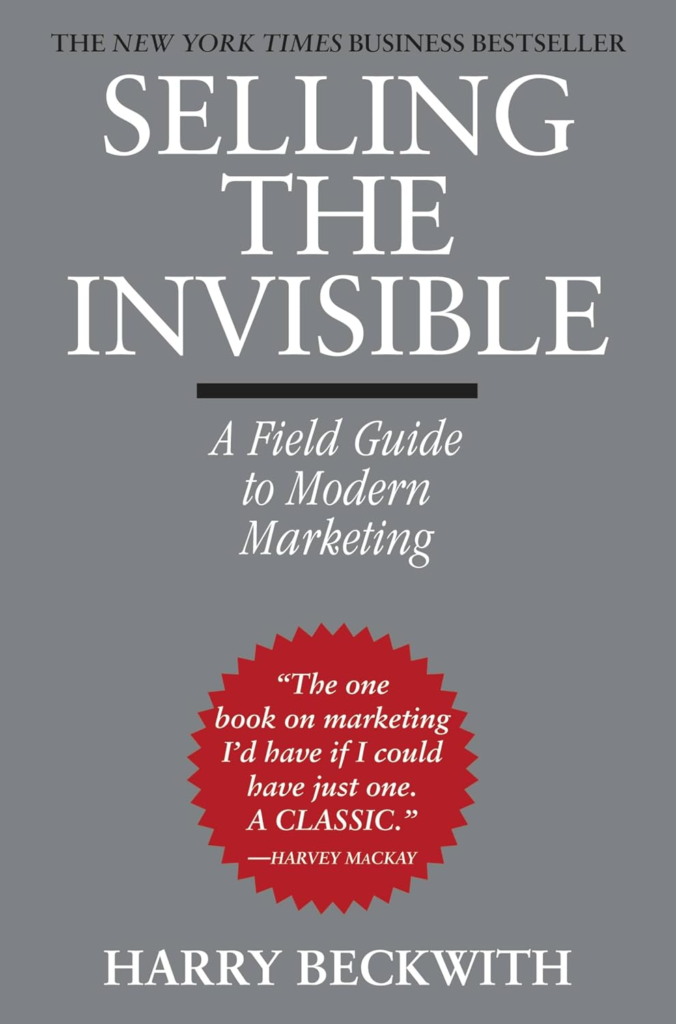
20. Selling the Invisible
Written by: Harry Beckwith
You can show someone a phone.
You can also let them test a car.
Perhaps you can put a pair of shoes in their hands.
But how do you sell something the customer can’t see before they buy it?
That’s the problem Harry Beckwith explores in Selling the Invisible. The book is about marketing services, where the customer is often buying a promise rather than a physical product.
Think about choosing a lawyer, a consultant, or a marketing agency. Before you sign the contract, you can’t really “try” the service. You’re making a judgment based on everything around it.
The way you’re treated. The questions you’re asked. The confidence of the person selling it. Even how quickly they respond.
When the product is invisible, every interaction becomes part of the product. That’s one of the book’s most useful ideas for anyone selling expertise.
Source – Amazon
| Why We Recommend It: Selling the Invisible is worth reading if you’re marketing a service, especially one where the customer has to trust you before they can experience the value. It’s particularly relevant for agencies, consultants, freelancers, and B2B service businesses. The book makes you realise that when you can’t show the product, what you can do is make the experience do more of the selling. |
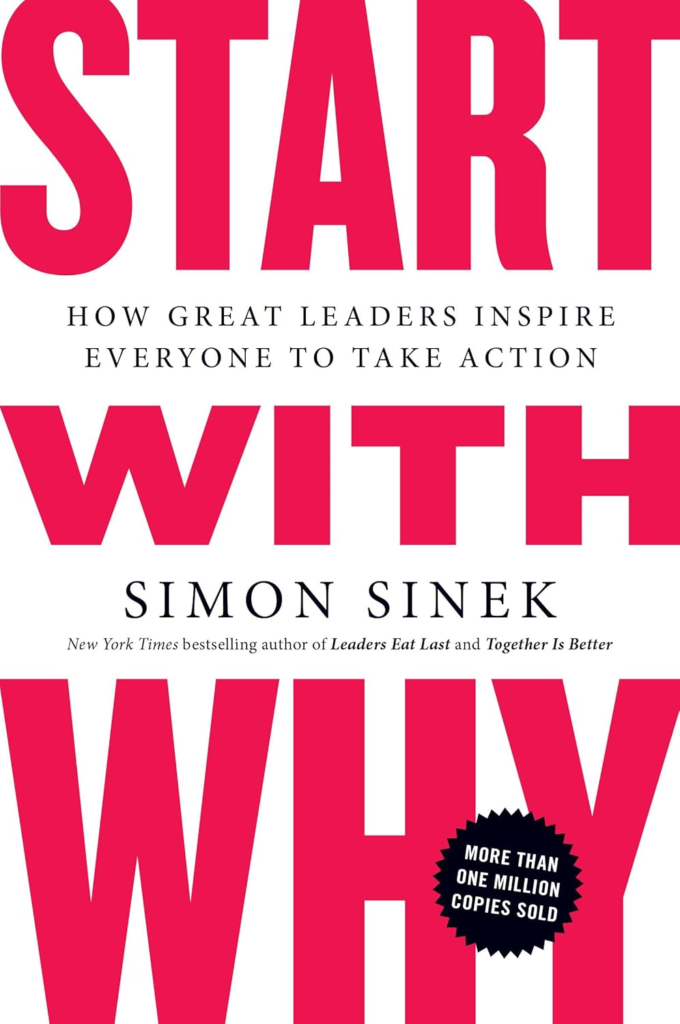
21. Start with Why
Written by: Simon Sinek
Why?
Why does this product exist?
Why should we care?
And why should we choose it over something else?
We ask versions of these questions all the time, even when we don’t say them out loud.
That’s the idea Simon Sinek explores in Start with Why. He argues that the strongest brands don’t begin by talking about what they sell or how they sell it. They start with why they exist.
That’s what makes the concept useful.
People may understand what you sell. But the reason behind it is often what makes them care.
Source – Amazon
| Why We Recommend It: Start with Why is worth reading if your brand messaging explains what you do but doesn’t quite give people a reason to care. The book is a useful reminder that a strong brand isn’t just clear about its product. It’s clear about why that product needs to exist. |
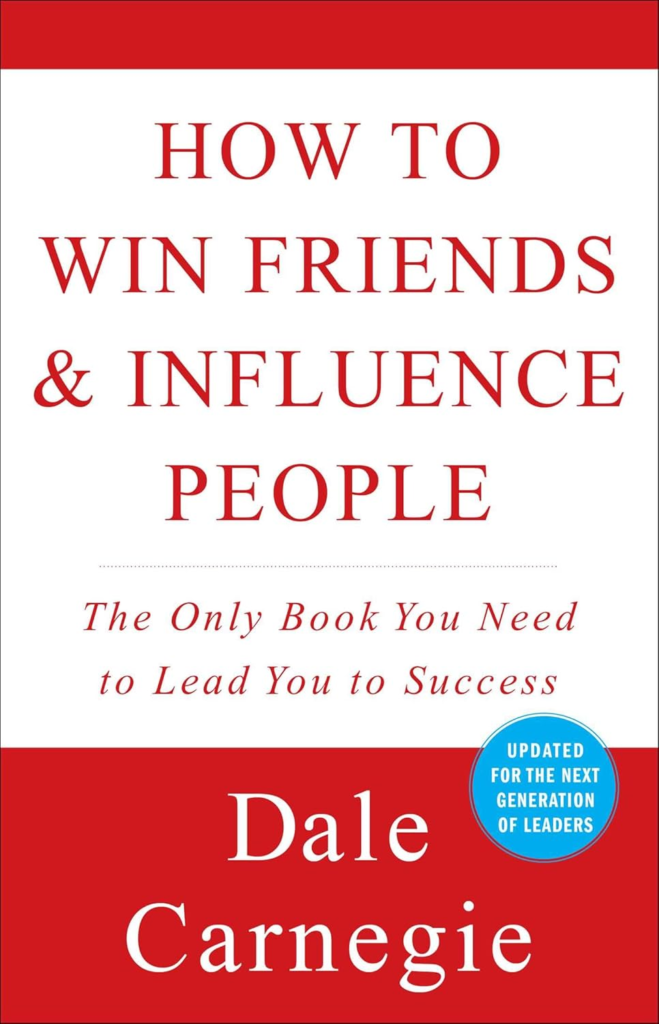
22. How to Win Friends and Influence People
Written by: Dale Carnegie
You spend two hours on a campaign.
The client replies, “Looks good. Can we just change the whole thing?”
Your first instinct is probably not to thank them for the feedback.
But that’s exactly the kind of everyday interaction that makes How to Win Friends and Influence People surprisingly relevant to marketers.
Dale Carnegie’s book is built around a simple idea. People respond better when they feel heard, respected, and important.
That sounds obvious. It’s also remarkably easy to forget when you’re trying to get your own point across.
Instead of jumping in with, “But that’s not what we agreed on,” Carnegie encourages you to understand the other person’s perspective first.
That doesn’t mean agreeing with everything. It means making the conversation easier to have.
And if you’ve ever worked with clients, designers, sales teams, or five people who all have opinions about the same headline, you already know how useful that can be.
Sometimes getting people on your side has less to do with having the better argument and more to do with how you make them feel while you’re making it.
Source – Amazon
| Why We Recommend It: This book is worth reading if your work involves people as much as it involves marketing. It’s particularly useful for marketers who work with clients, sales teams, or cross-functional teams. Some of the language is dated. The human behavior Carnegie writes about really isn’t. |
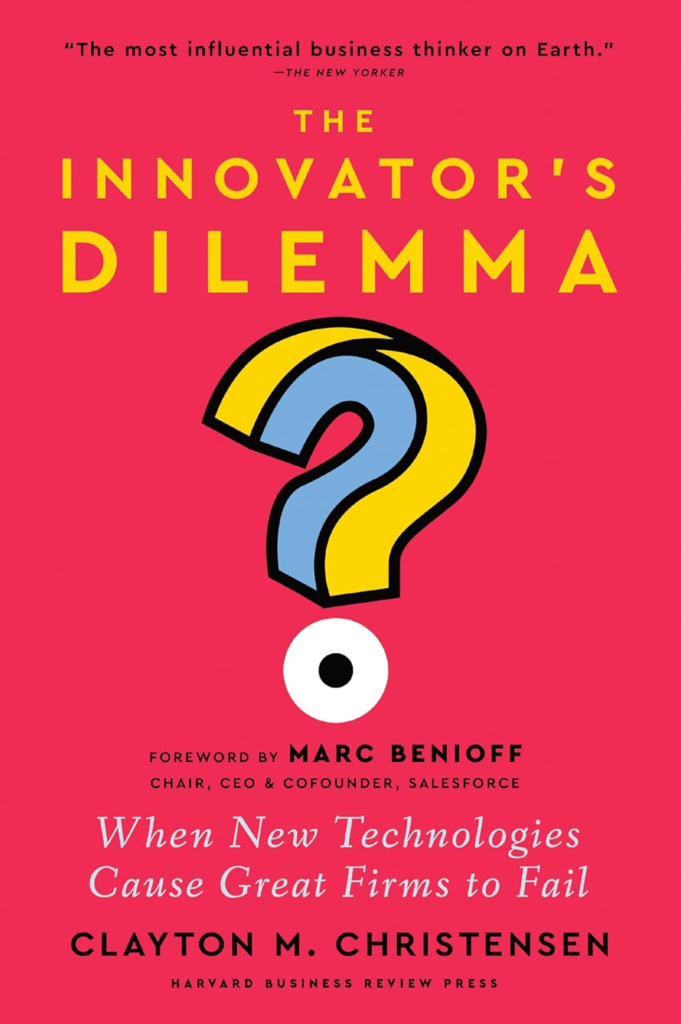
23. The Innovator’s Dilemma
Written by: Clayton M. Christensen
What if the things that made a company successful were also holding it back?
That’s the uncomfortable idea behind The Innovator’s Dilemma.
Clayton Christensen studied companies that were doing well, serving their best customers and improving their products year after year. And yet, some of those same companies eventually lost their position when a simpler, cheaper, or initially less impressive technology came along.
The problem wasn’t that they were badly managed. They were listening to their customers.
And sometimes, that’s exactly what got them into trouble.
The customers who matter most today aren’t necessarily the ones who will define the market tomorrow. A new technology may look too small, too basic, or too unprofitable to bother with. Until it isn’t.
That’s a particularly uncomfortable thought for marketers. We spend so much time understanding what customers want now.
But what if the next big opportunity is something your best customers aren’t asking for yet?
Source – Amazon
| Why We Recommend It: The Innovator’s Dilemma is worth reading if you’re working in a market where technology, customer expectations, or competitors are changing quickly. It’s especially useful for marketers in SaaS and other technology-driven categories. The book makes you look beyond what customers are asking for today and think about what they might need next. |
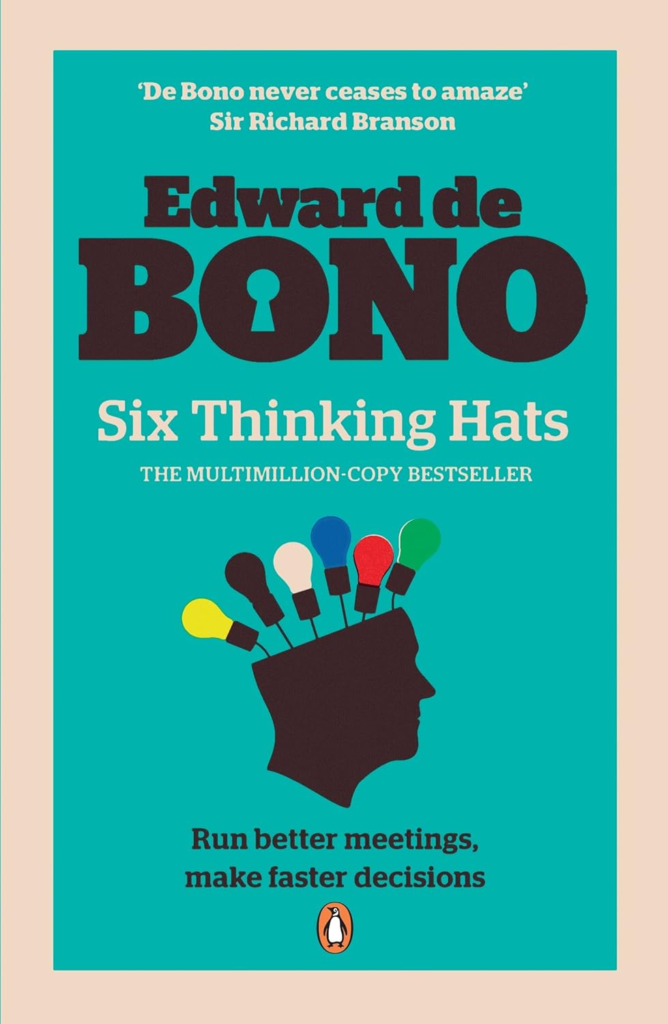
24. Six Thinking Hats
Written by: Edward de Bono
What if everyone in a meeting wore a different hat? Not literally.
But imagine one person could only look at the facts. Another could only point out the risks. Someone else had to think about possibilities. And one person was allowed to be completely positive.
The conversation would probably be very different.
That’s the idea behind Edward de Bono’s Six Thinking Hats. Each “hat” represents a different way of thinking, giving people a deliberate way to look at the same problem from different angles.
It sounds a little theatrical.
But there’s a reason the method works. Instead of having five people argue from five different perspectives at the same time, you can ask everyone to think about one perspective at a time.
For a marketing team, that can be surprisingly useful.
A campaign doesn’t just need someone saying, “I love it.” It needs someone asking what the data says, what could go wrong, what could make it better, and what nobody has thought of yet.
Source – Amazon
| Why We Recommend It: Six Thinking Hats is worth reading if your meetings regularly end with ten opinions and no clear decision. It’s particularly useful for marketers working in teams where strategy, creativity, data, and execution all have to come together. The method gives everyone permission to think differently without turning every difference of opinion into an argument. |
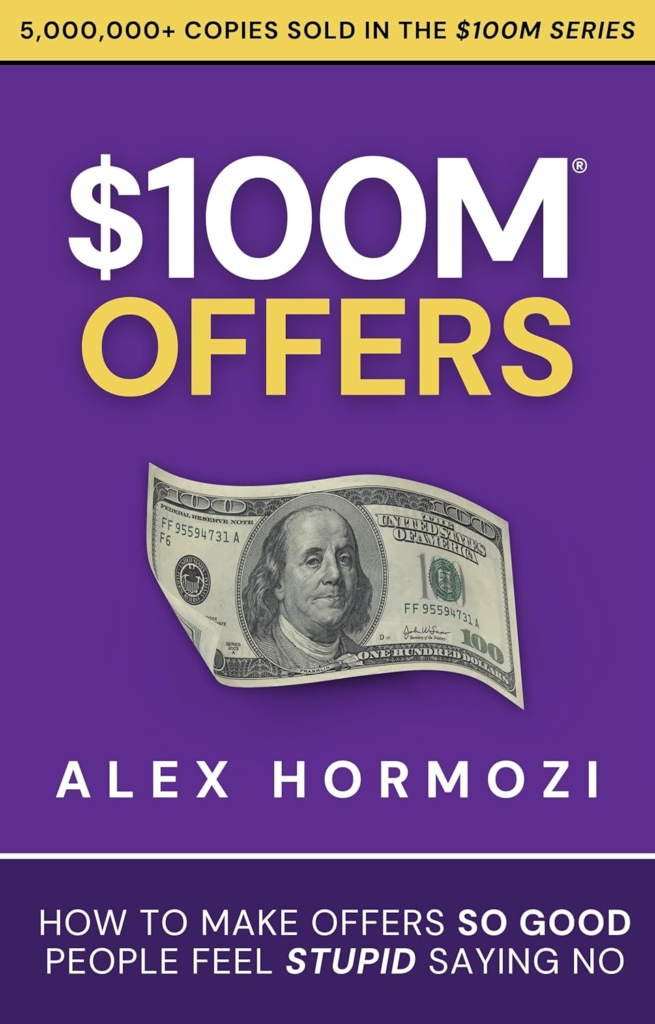
25. $100M Offers
Written by: Alex Hormozi
What makes an offer so good that people stop comparing it with the alternatives?
That’s the question Alex Hormozi explores in $100M Offers.
Hormozi argues that the offer itself can do much of the selling. Instead of simply lowering the price or adding another feature, you make the outcome feel valuable enough to justify the price.
Think about the difference between saying “Get 10 SEO articles” and offering “A complete content system designed to bring qualified leads through organic search.”
The service may involve many of the same things. But one sells a list of deliverables. The other sells what the buyer actually wants from them.
That’s the shift that makes $100M Offers interesting.
Hormozi gets much more specific about how to build an offer around that idea. That’s where I’d stop here and let the book take over.
Source – Amazon
| Why We Recommend It: This is a useful read if you’re selling a service, product, or offer and keep finding yourself competing on price. It’s particularly relevant for marketers working on pricing, packaging, positioning, or conversion. The book makes you look beyond what you’re delivering and think harder about what the customer is actually buying. |
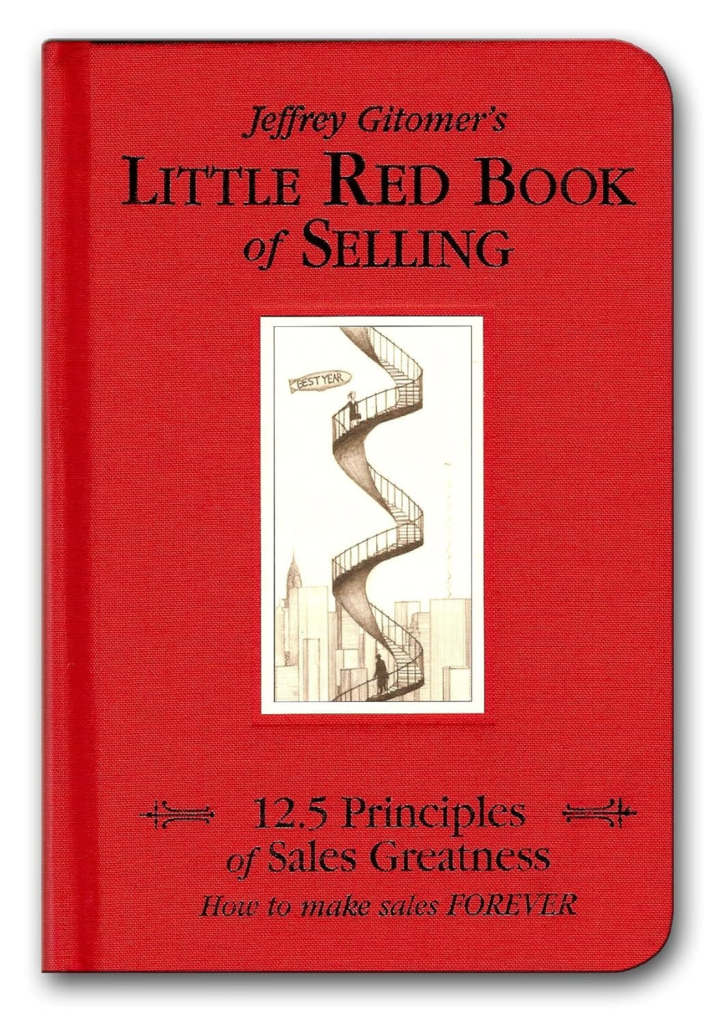
26. The Little Red Book of Selling
Written by: Jeffrey Gitomer
The title sounds like a children’s story. The book definitely isn’t one.
The Little Red Book of Selling is Jeffrey Gitomer’s practical take on what makes people want to buy, with a strong emphasis on relationships, trust, and creating value.
And there’s something refreshing about that approach.
Selling isn’t always about having the perfect pitch. Sometimes it’s about whether the person sitting across from you actually trusts you enough to listen.
Think about the last time someone tried to sell you something you didn’t need. You probably didn’t reject it because their sales technique was technically wrong.
You just didn’t believe them.
That’s the kind of selling Gitomer keeps coming back to. Build credibility first. Understand the person in front of you. Give them a reason to believe that what you’re offering is actually worth their time and money.
Source – Amazon
| Why We Recommend It: This is a useful read if selling is part of your job, even if “salesperson” isn’t in your title. It’s particularly relevant for marketers who pitch ideas, work with clients, sell services, or need to get people on board internally. The title may be playful. The book is a useful reminder that people buy from people they trust. |
27. Mindful Business Growth
Written by: Rajesh Srinivasan
Most growth advice tells you to do more. More channels, more campaigns, more experiments.
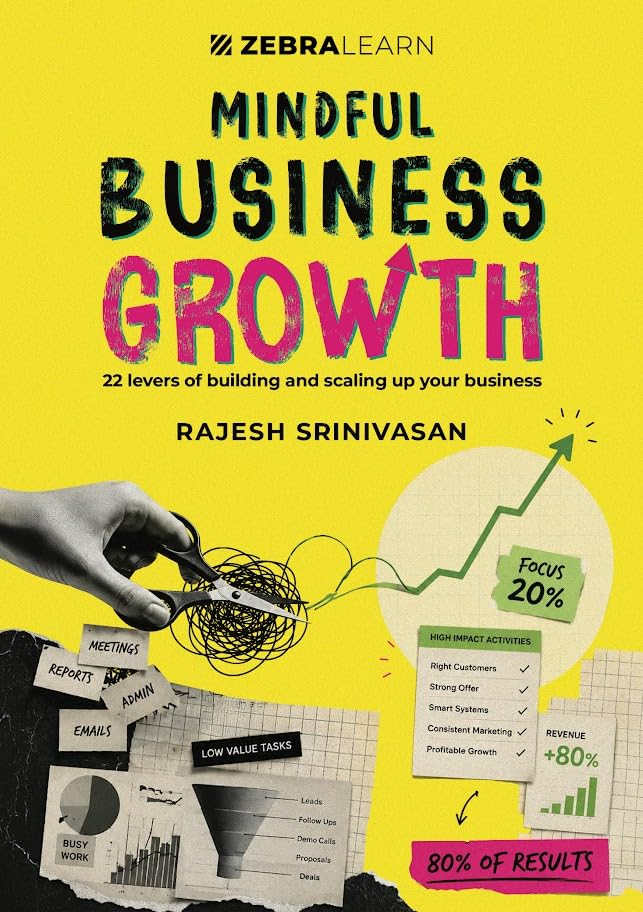
Rajesh Srinivasan thinks that’s backwards. According to him, most of what a business does barely matters. A small number of decisions do almost all the work.
This is his fifth book, and it’s built entirely around that one idea: the 80/20 principle. He’s pulled out 22 practical levers. Some work at the level of the whole business, strategy, GTM, and product-market fit. While others work at the level of a single decision, like what you actually write in a blog post. But they all come back to the same idea. Do less, and think harder about which less actually moves things.
Source – Amazon
| Why We Recommend It: Worth reading if you’re a founder or CMO drowning in advice and short on time to test all of it. It’s less a how-to and more a filter, a way to decide what to actually prioritize this quarter. |
Recommended Watch: Check out this Concurate Podcast where Eshita Gupta talks with Rajesh about Brand Homeostasis and why brands need to stay consistent without going stale.
Which Marketing Book Should You Read First?
You don’t need to work your way through all 26. They are all really cool. But we would suggest you probably start with the marketing problem you’re trying to solve right now. Still need recommendations? Let me make it easy.
Goal – Trying to figure out what your brand should be known for?
Books to read – Positioning, The 22 Immutable Laws of Marketing, or Blue Ocean Strategy.
Goal – Trying to make your content more memorable?
Books to read – Made to Stick, Contagious, or Purple Cow.
Goal – Trying to understand why people buy?
Books to read – Influence, Predictably Irrational, Blink, or All Marketers Are Liars.
Goal – Trying to write better copy or create stronger offers?
Books to read –Hypnotic Copywriting, Ogilvy on Advertising, or $100M Offers.
Goal – Trying to build products people come back to?
Books to read – Hooked is the obvious place to start.
Goal – Trying to think differently about creativity?
Books to read – Steal Like an Artist, Whatcha Gonna Do with That Duck?, or Six Thinking Hats.
One Quick Note Before You Go
You don’t need to agree with every idea in these marketing books.
Some will feel timeless. Others will feel dated. Some will make you rethink something you thought you already understood.
That’s a good thing. Because the best marketing books aren’t useful because they give you another formula to follow. They’re useful because they change the way you look at the work in front of you.
And that’s really what makes a book worth reading.
Not how many notes you take. Not how many quotes you save. What you do differently after you’ve closed it.
Because the value of a marketing idea isn’t in knowing it. It’s in what you do with it. And hopefully, one of these books does exactly that.
And if you prefer listening to reading, we also picked the best marketing podcasts worth listening to, covering SEO, GEO, growth, brand, behavioural science, and other parts of the job.