| TL;DR: A company’s AI bill can rise without showing who used the tools or what work drove the cost. WitnessAI’s new FinOps tools connect spending to employee and AI agent activity. Companies set rules for which models handle particular tasks and remain responsible for assessing answer quality. The same rules can help protect confidential data by controlling which models receive it. This lets businesses manage spending and security while allowing useful AI work to continue. |
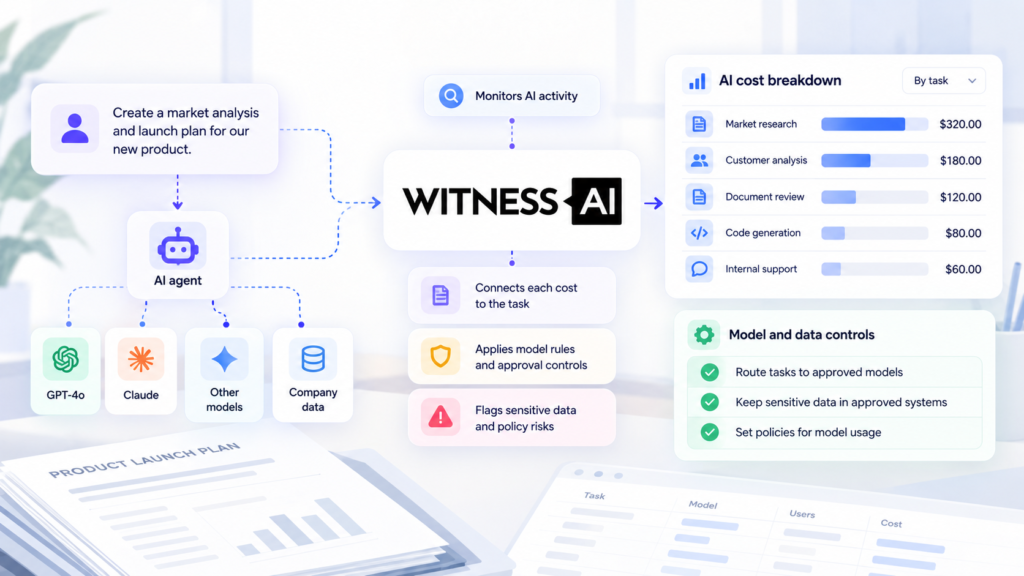
An employee gives an AI agent a single instruction. Behind that request, the agent may launch other agents, which then call on company databases and several AI models.
The employee sees the result. The company pays for the activity along the way.
One request can set off two dozen tasks across systems. By the time finance sees the bill, the costs may appear as a single total. Nothing on it says what the work was for.
When the bill climbs, finance leaders face an awkward question. Is AI doing more useful work, or is the company paying for expensive models it never needed?
WitnessAI’s new cost-management tools start where the invoice stops. What they find there says as much about security as it does about spending.
The Bill Arrives Before the Explanation
WitnessAI’s software monitors and governs how a company’s employees and AI agents use AI. Its September 15 announcement extends that work into AI FinOps, the practice of tracking and controlling AI spending. The dashboard shows AI spending and adoption alongside customer estimates of the business value generated. The company also added controls for sending requests to different models and blocking unwanted use.
AI spending is becoming a regular part of corporate cost management. In the FinOps Foundation’s 2026 State of FinOps survey, 98% of respondents now manage AI spending, up from 31% two years earlier. At the same time, many organizations also said they’re being asked to pay for new AI projects with savings found elsewhere.
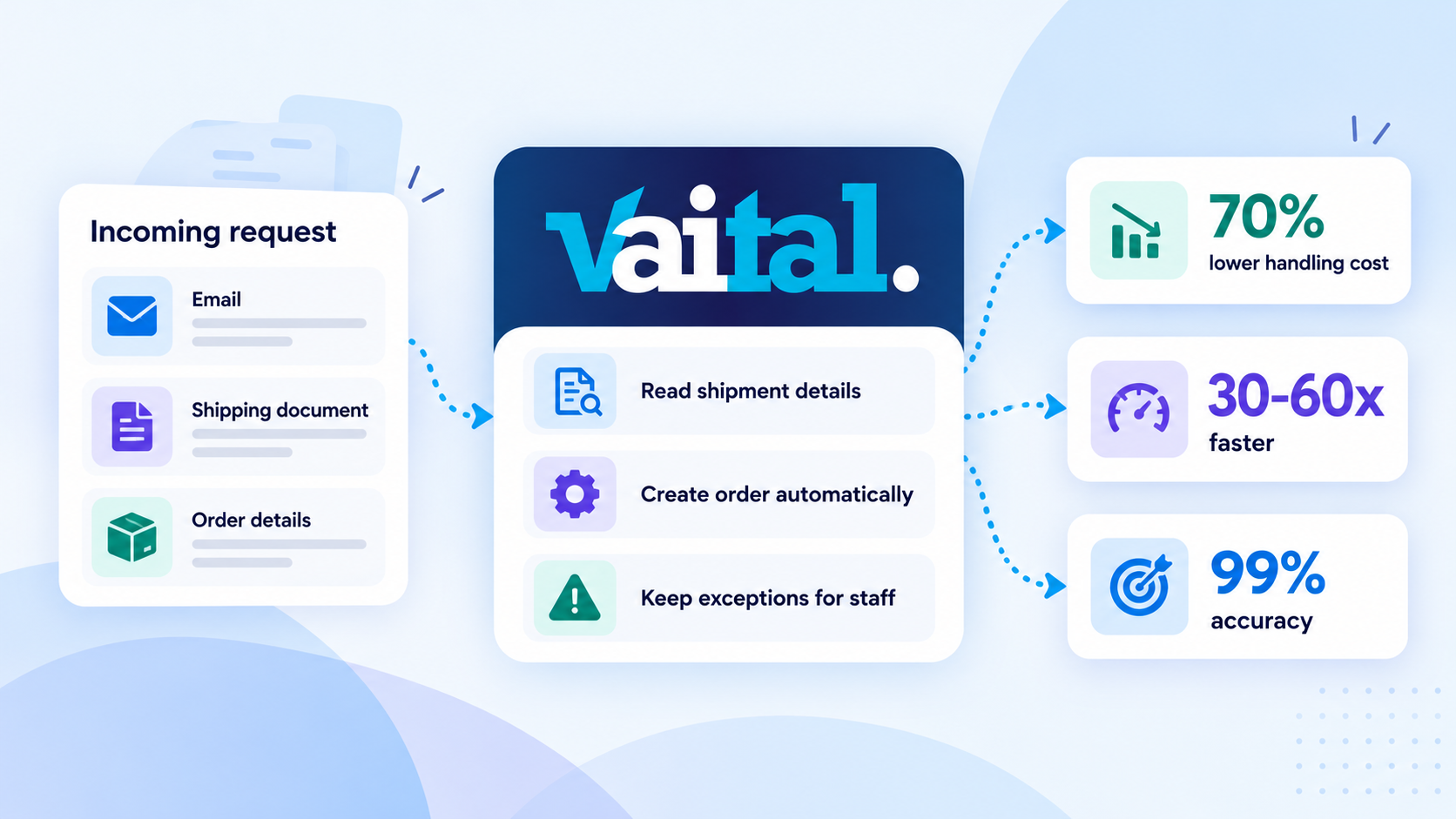
That pressure is also changing how companies judge AI implementation. Vaital focuses its AI projects on operational problems with measurable financial impact, rather than treating faster work as the result on its own.
Yet many companies still lack clear accountability for AI cost management.
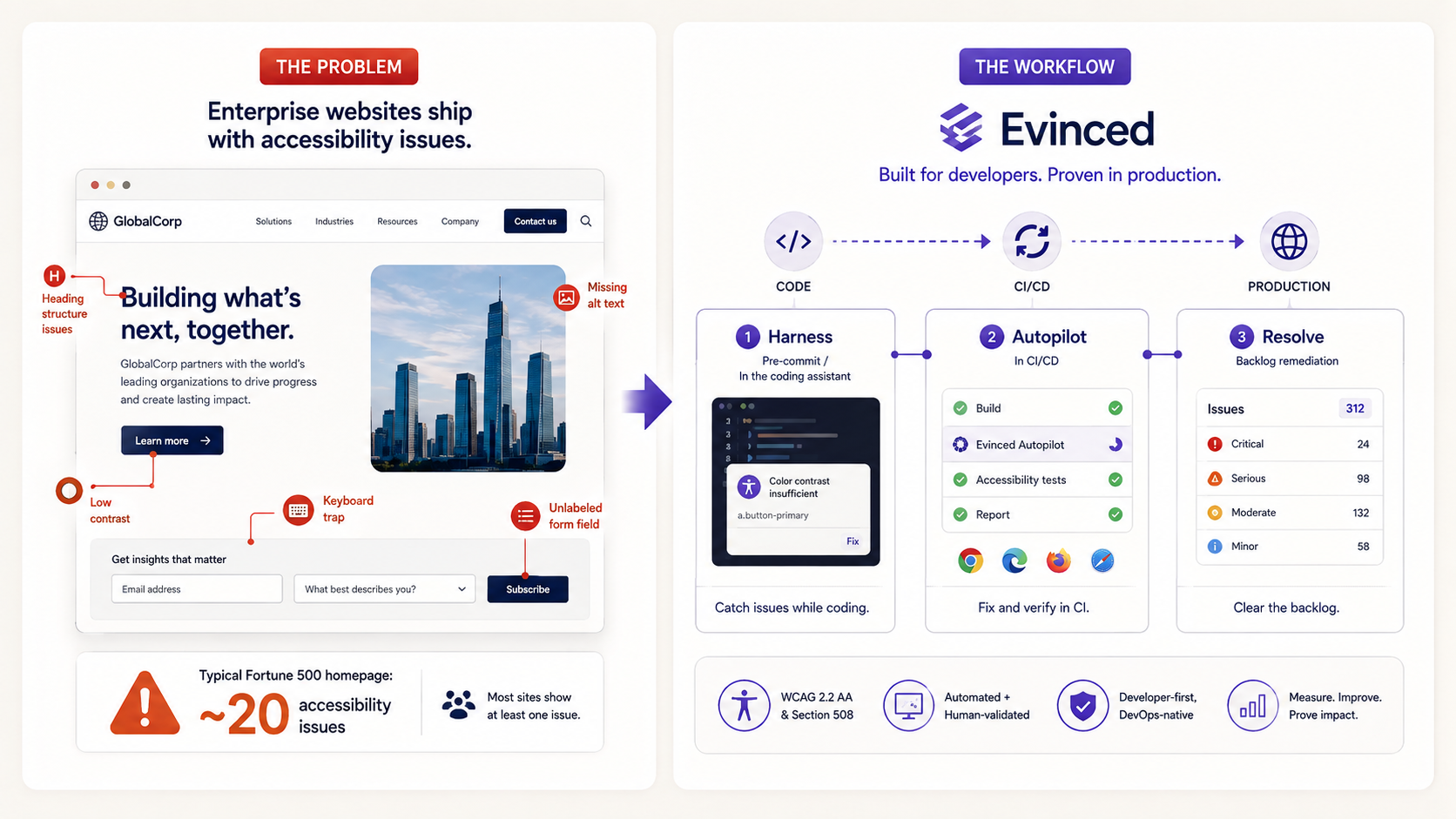
In a July survey of 700 engineering leaders and practitioners, software company Harness found that 52% had no clear AI cost owner. If their AI spending suddenly doubled, only 20% said they could trace the cause within hours. The findings suggest that the teams adopting AI don’t always have clear responsibility for tracking its costs.
Rick Caccia, WitnessAI’s CEO and founder, frames the problem around a hypothetical $1 million bill from an AI provider. A company can pay it in full without realizing a cheaper model would have done the job.
Agents Multiply the Surprise in AI Bills
AI agents make that bill bigger and harder to predict. Caccia says AI agents amplify the problem because a single prompt can trigger multiple subagents and dozens of tasks across databases, SaaS applications, and AI models. All those tasks consume tokens, adding to the bill.
That usage-based cost pressure is already showing up in software companies’ financials. Canva and Figma have both seen AI consumption put pressure on margins as more customers use their AI features.
And the more work agents take on, the harder those costs can be to predict. He compares agent costs to the surprise cloud bills companies faced 10 to 15 years ago. “Multiply that by 25x, and you have the agent cost surprise problem,” he said.
Unexpected AI bills are another concern. In the same Harness survey, 72% of respondents reported an unexpected AI bill or spending spike in the past year. These surprises highlight why AI spend management requires visibility into the tasks driving costs, not just the final bill.
However, cost isn’t the only concern here. AI agents can also handle sensitive tasks, such as processing internal research data. If that data reaches an unapproved external model, the company could face security and compliance risks.
A Vacation Conversation Can Be Somebody’s Job
Before a company can cut wasted AI spending, it has to decide which conversations with AI count as work.
Caccia offers a simple example: an employee talking about vacations. At an online travel agency, that conversation could be central to the business. At an investment bank, the same conversation might have nothing to do with work.
Each customer decides which AI conversations count as work. Through AI model routing, the platform uses those policies to classify activity and route requests to the appropriate model. In Caccia’s own example, a company sends vacation planning to its cheapest internal model.
The catch is that people don’t always describe the same activity in the same way. Someone planning a “holiday” or a family trip to Hawaii may be doing the same thing without ever saying “vacation.”
Older data protection tools tried to catch this kind of activity with keyword rules and lookup lists. As per Caccia:
WitnessAI uses what Caccia calls “world models” to recognize behaviors and intentions even when employees describe them differently. In other words, companies can then set policies based on the activity, rather than specific keywords.
Not Every Task Needs the Most Expensive Model
Once a company knows what its AI is for, it can choose which model handles each job.
Caccia suggests that developers might use an expensive model to generate code and a cheaper one to add explanatory comments. Both tasks are part of software development, but the company may reserve its most capable model for code generation.
There’s one important limitation, though. Someone still has to judge whether the cheaper model’s comments are good enough. He explained:
Routing simpler tasks to cheaper models can reduce spending, but companies still need to assess the quality of the results. RouteLLM is an open-source tool that decides which AI model should answer each request. In 2024, its researchers reported over 85% cost savings on one test compared with sending every request to GPT-4. The researchers also reported that it retained 95% of GPT-4’s performance on their test.
The platform also uses customer results to help identify gaps in data protection policies. Caccia gives the example of 25 prompts that carried sensitive data the customer’s existing policies missed. The platform flags them and suggests a new policy to catch that kind of data in the future.
Quality evaluation is another area the company is exploring. WitnessAI is researching ways to evaluate AI output quality and eventually recommend models based on how well they perform each task.
Each Company Puts Its Own Price on AI’s Value
Putting a number on AI’s value is still hard. As one practitioner put it in the FinOps Foundation’s 2026 report, “Is your AI providing value? No one can answer that question yet.”
WitnessAI’s dashboard lets customers put a dollar value on employee time saved and security incidents prevented. These estimates give companies a way to account for benefits that don’t show up on their AI bills.
Putting a financial value on saved time still requires context. Caddi’s work on legal AI ROI shows why an hour removed from a workflow does not automatically become an hour of financial value.
Building security products taught Caccia that customers want to customize rules to fit their needs. Those products ship with ready-made rule sets, and customers often want to change the default rules as soon as they start using a security product.
One company might rate a particular security alert at 50 for risk, while another wants it at 85. According to WitnessAI, customers can adjust these values to reflect how their companies assess the financial impact of security risks.
The FinOps Foundation’s guidance on AI business value recommends linking costs to specific uses, then measuring what those uses produce. By showing who made each request and what it was for, WitnessAI aims to help companies connect AI costs to specific business activities.
Security Controls Are Becoming Spending Decisions
The security implications become clearer in Caccia’s example of a pharmaceutical company. Such a company could set a policy for summer PhD interns who ask an outside chatbot to summarize internal drug research data. Those prompts would go to an internal model instead, which he says helps protect the research and keep the company compliant.
“Our prompt routing capability, which we built for customer risk management, turned out to be just as useful for cost management,” Caccia said.
The intern still gets a summary, but the request goes through a company-approved model. Caccia says nearly all risky AI use comes from employees trying to do the right thing. He wants controls that work like invisible bumpers, keeping those people safe without getting in their way.
WitnessAI’s controls give companies a middle path between allowing AI and blocking it. They can decide where tasks go, based on cost and sensitivity. As AI agents take on more work, those decisions will quietly steer a growing share of the AI budget.