| TL;DR: Car dealerships can lose service customers when calls go unanswered or follow-ups are missed. Flai’s new AI CRM handles more of that work, from contacting customers about repairs they declined to rebooking missed appointments and updating dealership records. It builds on software that already answers calls and books sales and service visits. This gives Flai a larger role in running the dealership, where keeping customers coming back for maintenance can influence where they buy their next car. |
A driver calls a dealership to book an oil change. The service advisor is tied up with a customer at the counter, so the phone keeps ringing. After a while, the driver hangs up and tries another shop.
That missed call can cost the dealership more than one appointment. Regular maintenance and repairs bring customers back to the dealership for years. Each visit gives the dealer another chance to earn their trust and win their next car sale.
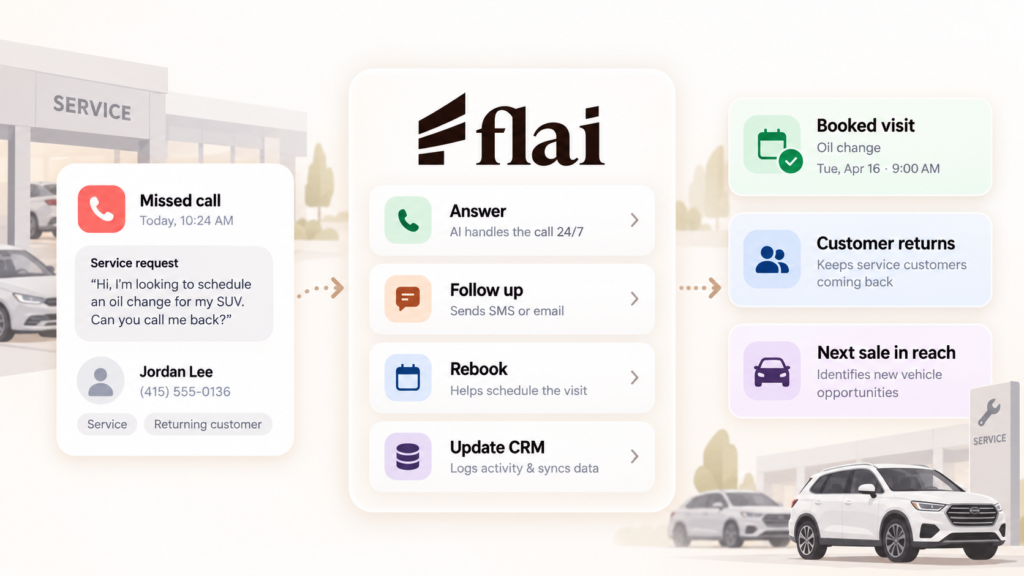
Flai’s AI CRM for car dealerships already answers calls like this and books appointments across sales and service. Now the company is launching a Service and Sales CRM, the software dealers use to keep track of customers. Flai’s version goes a step further and does the follow-up work itself.
Answering the call is only the first step. What the dealership does next can determine whether the customer returns.
Service Revenue is Growing While Customers Have More Places to Go
Service is a big business for dealers. According to NADA, U.S. new-car dealers brought in nearly $83 billion from service and parts in the first half of 2026.
But here’s the thing: the growth figures don’t tell the whole story. A 2026 Cox Automotive study puts the average dealer’s service and parts revenue at about $9.23 million in 2025. That’s up by about a third in eight years, yet dealers’ share of service visits slipped from 33% to 29%.
Speed is a big part of what draws customers elsewhere. In Pied Piper’s September 2026 scheduling study, callers reached a service advisor at independent shops in 38 seconds, versus 66 at dealerships. Independents could also fit customers in sooner, with the earliest open slot 1.3 days away compared with 2.9 days at dealerships.
In other words, Flai focuses on two basic things: answering the call and booking the appointment. In the same study, 16% of callers to dealerships couldn’t book an appointment by phone. By its own count, South Point Hyundai was missing 25% to 35% of its calls before it brought in Flai.
Flai’s New CRM Takes On the Work Each Call Leaves Behind
Flai started by helping dealerships handle calls and messages. It then identified another problem: every customer conversation can leave staff with follow-up work. In a recent interview, CEO Ari Polakof said the company has grown “from just a phone solution to more of a platform.”
And that shift makes sense when you consider what happens after a call. A missed appointment needs to be rebooked. A customer who turned down a recommended repair may need a follow-up call.
The company argues that traditional CRMs track follow-ups but still leave employees to make the calls and book the appointments. Its new AI dealership CRM is designed to handle more of those next steps itself. The AI can reach out to customers and handle the conversation, then book the appointment and update the dealership’s software.
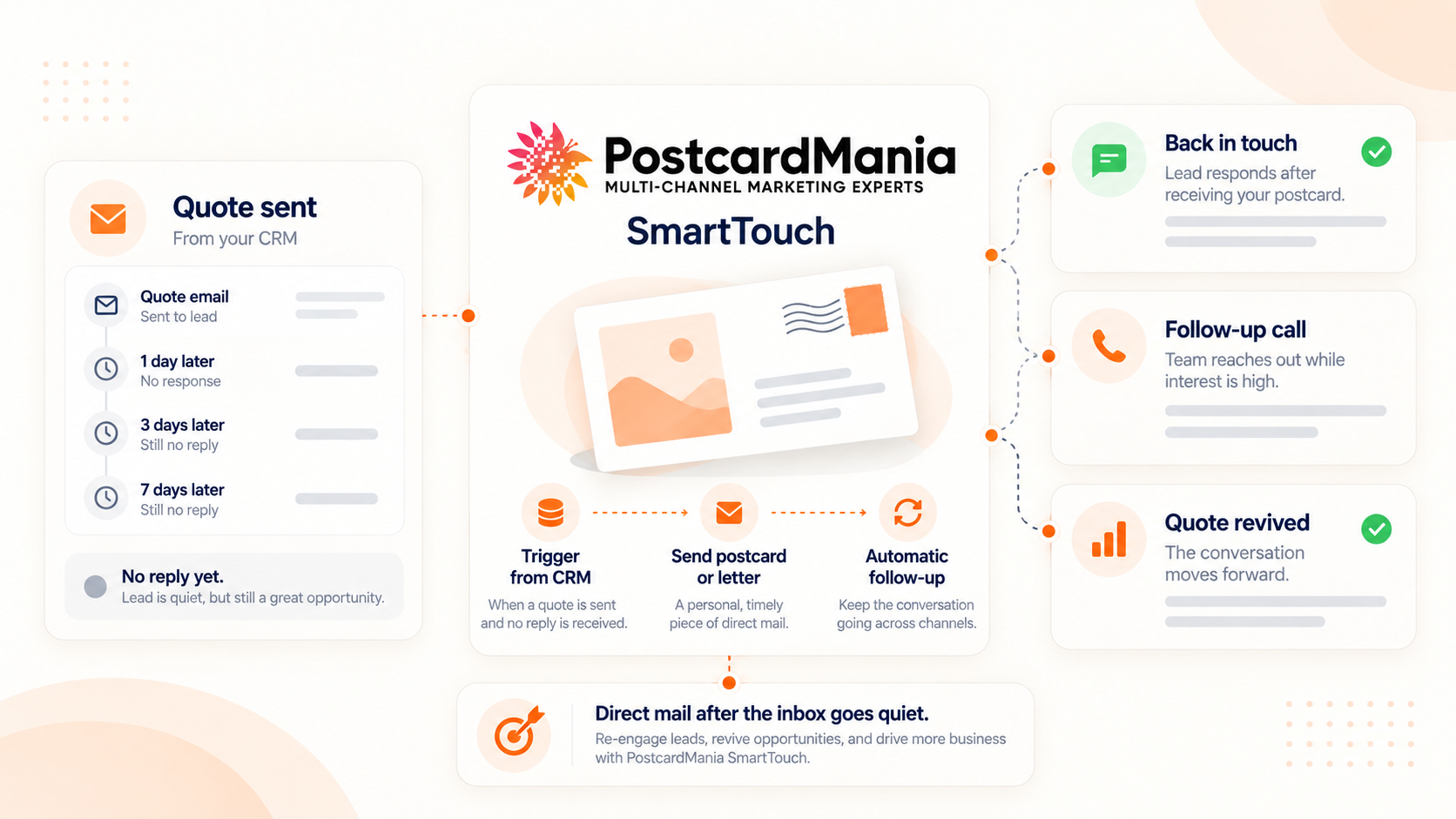
That move from tracking follow-ups to carrying them out is also shaping how automotive AI CRM tools handle customer interactions. PostcardMania’s SmartTouch can turn events such as an unanswered proposal or stalled deal into an automated follow-up mailing.
That’s how Flai is expanding car dealership automation beyond answering calls to handling daily follow-ups.
Over the past year, the company’s revenue grew 20x over the past year, and it now schedules more than 50,000 appointments a month. It works with hundreds of dealerships, including stores from more than a fifth of the country’s 50 largest dealer groups.
A dealer group in Puerto Rico shows how Flai can expand within a dealership business. Flai initially handled the group’s service calls, including conversations where customers switched between Spanish and English mid-sentence. That went well enough for the group to add sales services. Now it is rolling Flai out across all eight of its stores.
The Handoff to a Person is Where Things Often Break
Not every call is about booking an oil change. Customers may report several problems or dispute a previous repair. These situations often require a staff member to step in.
Pied Piper’s study found AI often handled routine scheduling quickly and well. However, that’s only part of the picture. Transferring customers to staff was less reliable. Roughly one in three AI handoffs failed, leaving customers in voicemail or on hold. The typical failure came about 90 seconds in, after the customer had already put time into the call.
“The challenge is what happens around the AI,” said Cameron O’Hagan, who leads metrics and analytics at Pied Piper. He also pointed to another problem: customer details don’t always transfer smoothly between dealership systems.
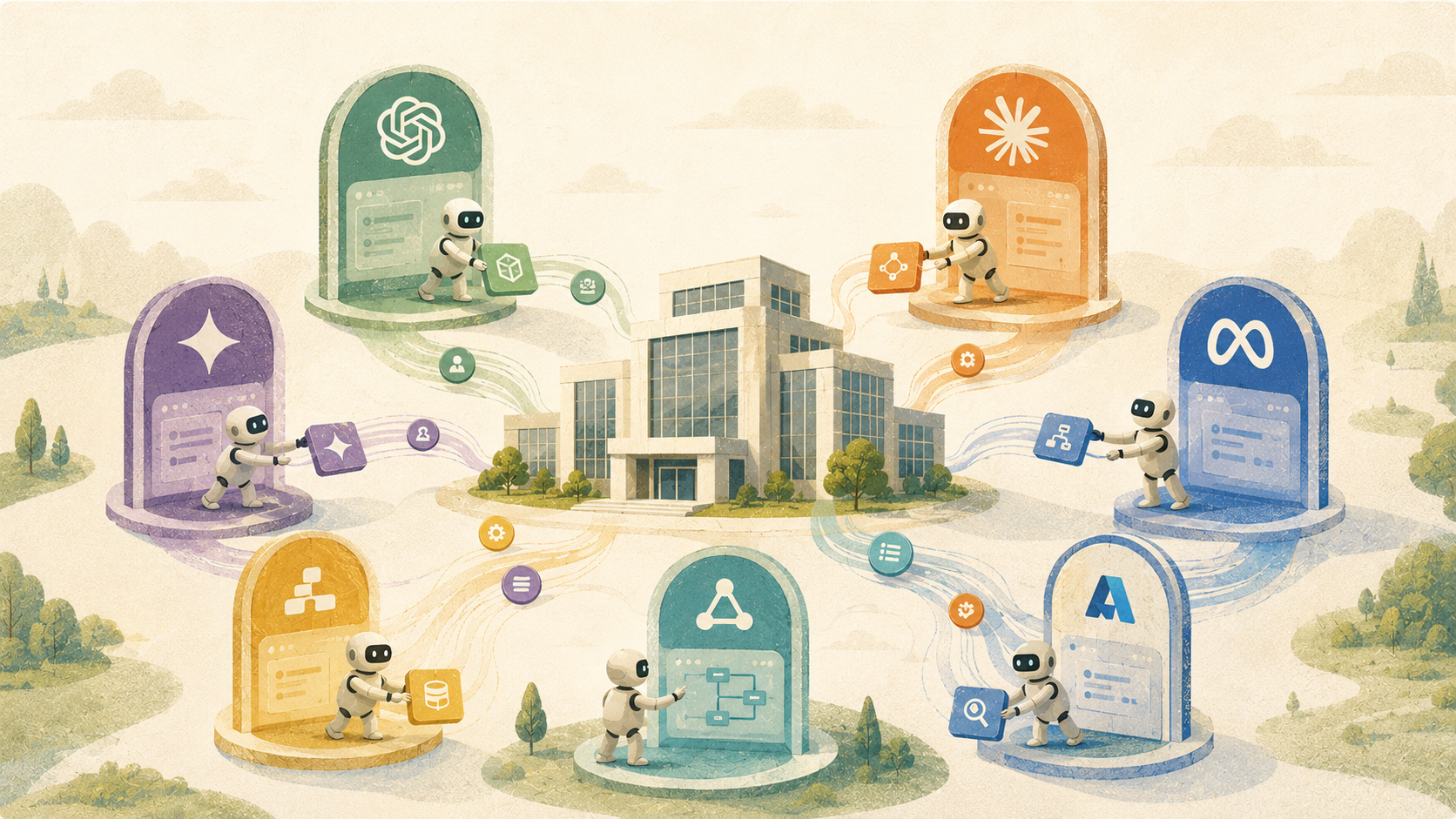
That fragmentation problem appears in other customer workflows too. MHC NorthStar is designed to connect information across banking systems so a later customer interaction can reflect what happened earlier.
This is where the human handoff becomes important. Flai says its software flags heat cases, the dealership term for upset customers, and pairs each one with a suggested fix. When a customer needs help beyond routine scheduling, Flai can bring in a staff member with the conversation history and a suggested next step. The employee can then continue without asking the customer to explain everything again.
That continuity is also central to Inbenta’s approach to customer-service handoffs, where a live agent can pick up the same context rather than forcing the customer to start over.
A Service Visit Can Keep the Next Sale within Reach
Service also shapes where a customer buys their next car. Cox found that customers who return to a dealer for service are 30 percentage points more likely to buy there again.
But there’s a gap between what customers intend to do and what actually happens. Eight in 10 new-car buyers say they’re likely to come back for service. Yet only about a quarter had their first visit booked when they bought the car.
Customers may intend to return, but they still need to book that first service visit.
As an automotive sales and service CRM, Flai can help dealerships follow up with customers at both stages. Since it already handles reminders and follow-ups, it can help bring a customer back for that first visit. And when a service problem is resolved quickly, customers have another reason to return.
Flai is Taking On More of the Dealership’s Daily Work
Flai has raised a $27 million Series A round led by Base10 Partners. The money will help it connect more deeply with dealers’ software and expand what its AI can handle, according to its announcement.
Answering calls gave Flai an entry point into dealerships. As it takes on more tasks, the company will need to prove that its software can handle them reliably. Ultimately, dealers will have to decide how much work they can trust the AI to manage.
The driver calling for an oil change just wants a convenient appointment and a serviced car. Their next purchase is probably far from their mind. However, that’s the point: a good service experience today can influence whether they return to the same dealership when it’s time to buy another car.