| TL;DR: Commercial kitchens need to know why food goes uneaten before deciding what to change. Metafoodx tracks production, consumption, and leftovers to help chefs assess whether to change a dish, prepare less, or cook it later. Freshness alerts flag pans needing attention during service, while reports and forecasts guide future preparation. As food costs rise, this helps kitchens reduce overproduction while keeping food fresh and available for guests. |
A pan of food left after lunch can send a kitchen in several directions. Perhaps diners disliked the dish. Or perhaps they liked it, and the kitchen simply made too much, too early.
Each explanation calls for a different response. Removing a popular dish would solve the wrong problem. Making less could help, but so could preparing the same quantity in smaller batches throughout service.
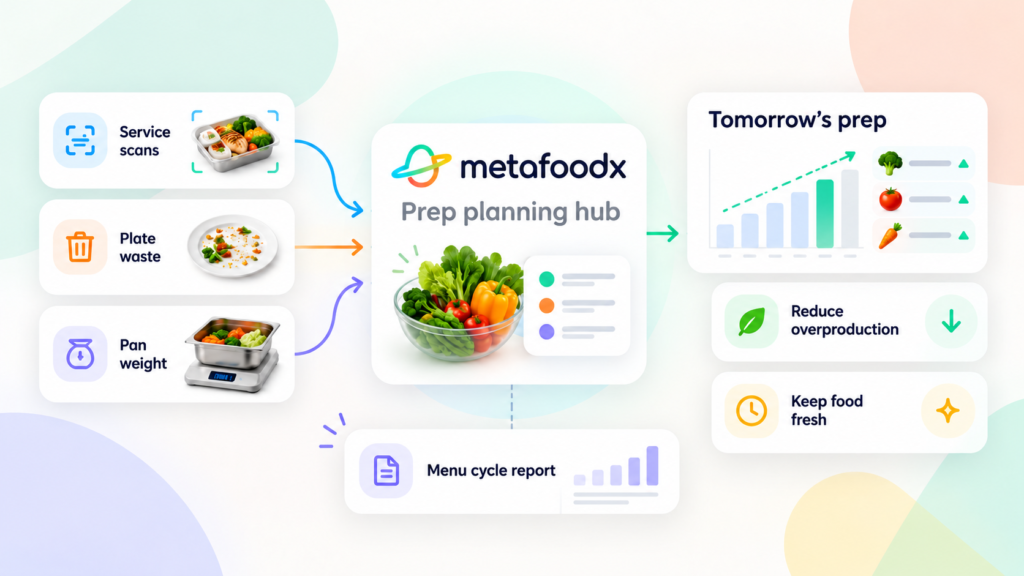
Knowing how much food was thrown away won’t tell a kitchen whether diners disliked a dish or whether too much was prepared. For that, it needs to compare how much was made with how much guests actually ate. Metafoodx’s AI scanner and software track both. In September, the company announced freshness alert and reporting updates that build on this tracking.
For operators choosing food waste tracking software for commercial kitchens, the question is whether a system can explain what needs to change.
The Menu Isn’t Always the Problem
Every leftover pan carries the cost of its ingredients and the staff time spent preparing it. Knowing why the food went uneaten can help kitchens avoid producing the same surplus again.
With operating expenses rising, repeatedly preparing more food than customers need can put further pressure on restaurant margins. The National Restaurant Association estimated in July that total expenses for an average restaurant rose 36% between 2019 and 2026. When costs rise that fast, a dish cooked in the wrong quantity day after day gets harder to absorb.
Not all of that waste looks the same, either. Some food is never served, while some comes back on guests’ plates. ReFED estimates that U.S. restaurants and foodservice businesses generated 12.5 million tons of surplus food in 2024. Nearly 70% of it was plate waste. The figures vary by kitchen, but they highlight why preparation waste and plate waste need separate measurements.
Before a pan goes out for service, staff place it on Metafoodx’s scanner for about two seconds. The scanner identifies the menu item and records its temperature and net food weight. Staff scan the pans again when they return, allowing the system to compare the amount served with the food left over. The records are then available in the kitchen’s management software for future planning.
Charlotte Anthony, Metafoodx’s director of marketing, told SaaSTake that its reports compare what was made with what was eaten. They also show how much of each dish became plate waste.
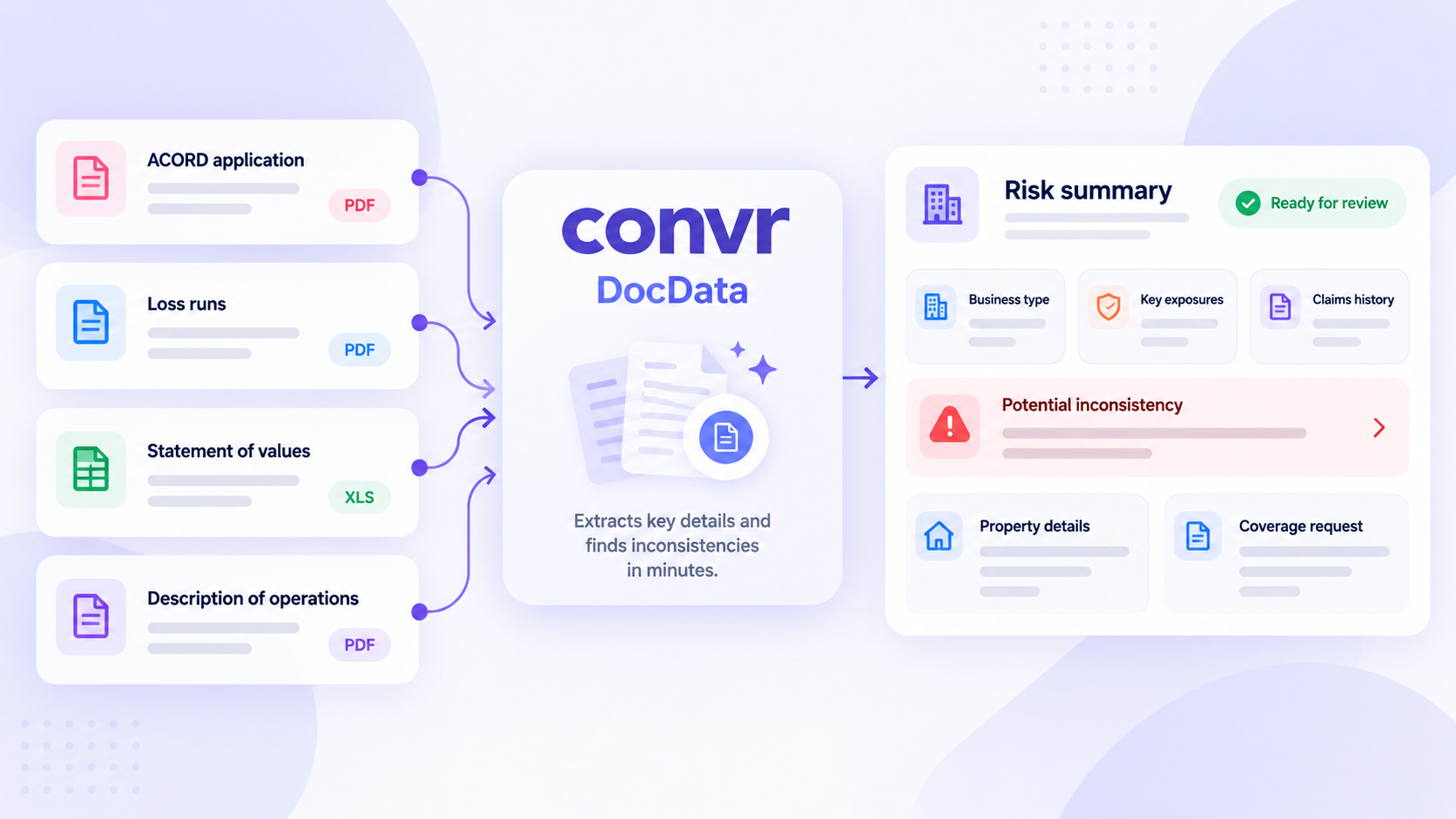
If diners keep skipping a dish or leaving much of it on their plates, the dish itself may need review. If they finish what they take but unserved food remains, production quantity and timing are the place to start. Other operational systems face the same need to separate symptoms from causes. Kosmos compares different signals around a software incident before asking people to confirm which events actually share a root cause.
She added:
Buyers should ask whether a system’s reports explain what happened to each menu item, not just how much was thrown away.
Freshness Alerts Give Kitchens Time to Respond
By the time leftovers are counted, it’s too late to change how much was cooked for that meal. According to Anthony:
Metafoodx’s freshness timer starts when staff scans a pan before service. When the configured freshness window ends, an alert prompts staff to check the pan under the kitchen’s holding procedures.
Anthony emphasizes that food-safety procedures take priority. Kitchens should follow their holding rules when deciding what to do with a flagged pan. Keeping food out for too long to avoid waste can also affect its flavor and texture.
How the kitchen handles the next batch depends on demand. Near the end of a meal period, staff might delay preparing another batch or switch to cook-to-order. The alerts can also help managers spot problems during service, such as a station struggling to keep up, rather than discovering them during a weekly review.
Freshness alerts can reveal problems with both food quality and production timing. If pans of the same dish repeatedly trigger freshness alerts, managers may need to review when they are being prepared. They can then compare those patterns with waste reports to see whether the kitchen is making more than guests need. Changing when or how much the kitchen prepares may help reduce both.
Repeated Alerts Help Explain Where Production Goes Wrong
A single alert doesn’t say much on its own. A quiet spell or a kitchen delay can throw off an otherwise sensible plan. Repeated alerts on the same dish or at the same time of day are worth a closer look.
The same principle appears in software testing. QA Cafe’s CDRouter records repeated test results and system behavior over time so engineers can see what began changing before a failure appeared.
Metafoodx’s Timer Log records when each pan goes out for service, when its configured freshness window ends, and whether it triggers an alert.
“Each day’s Freshness Alert Rate shows the share of pans that went past their freshness window. Managers can compare days, then look more closely at the items and time windows behind the alerts,” Anthony said.
Managers can then investigate whether batches are going out too early or a particular station needs additional support.
At Eaping Fresh Chinese, a fast-casual restaurant using Metafoodx, managers reviewed alert history and moved to smaller batches during slower periods. Anthony says freshness alerts at the restaurant fell by about 30% between September 2025 and March 2026.
Managers also use the platform’s dashboards to time replenishment during busy periods. According to Anthony, this helps the restaurant maintain consistent food quality as it grows.
Alongside live alerts, buyers should look for alert history they can review by dish and time of day.
Accurate Weights Come Before Smart Decisions
Every one of these decisions is only as good as the data behind it. A study of three healthcare kitchens and one hotel kitchen found that staff recorded about 30% less food waste than researchers independently measured. However, one healthcare kitchen recorded figures that closely matched the researchers’ measurements, suggesting that more accurate tracking is achievable.
Getting there takes staff who log food consistently and scales that weigh it accurately. Buyers should ask how a system supports both.
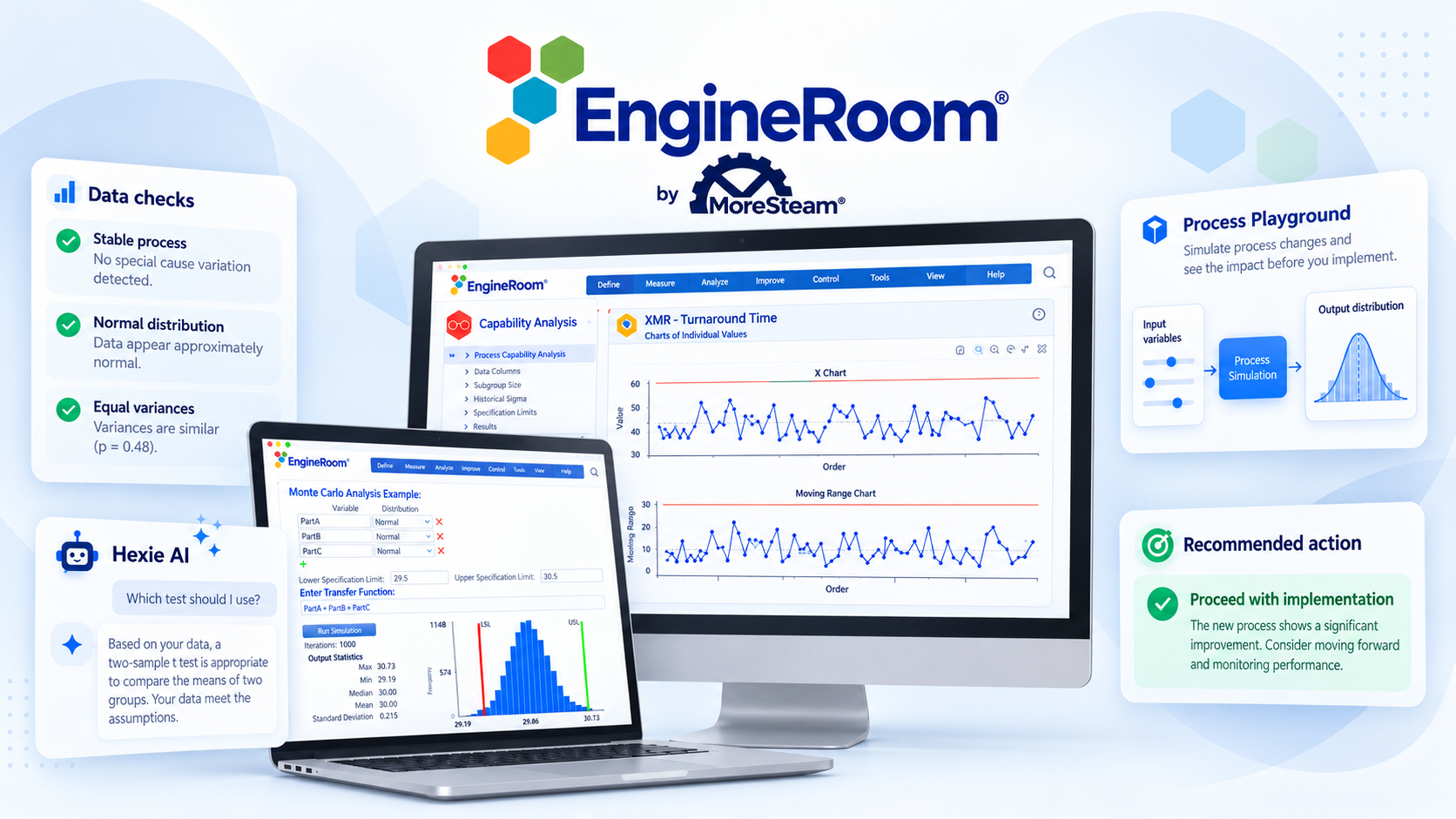
Reliable measurements are only the starting point for a process change. MoreSteam’s EngineRoom similarly guides users through checking whether their data supports a conclusion before deciding what needs to change.
Metafoodx’s new empty-pan check verifies a pan’s weight before it enters the system. Later scans use that baseline to calculate how much food the pan contains. Its reporting updates also display scan photos alongside each dish’s production and waste figures, allowing chefs to compare the recorded data with the food served.
Today’s Consumption Data Shapes Tomorrow’s Prep
Tracking food waste can make a measurable difference when kitchens use the data to change how they prepare food. A 2025 study across five European foodservice sites reported food-waste reductions of 23% to 51% at four sites, while the fifth recorded an increase. Improvements were particularly evident in food preparation and overproduction.
Foodservice technology is also moving toward preventing overproduction. ReFED’s May 2026 AI report describes how forecasting and production decisions are becoming part of that effort.
Metafoodx uses consumption data to forecast how much food kitchens should prepare and which ingredients they may need to order. Without these forecasts, Anthony says, managers often have to estimate how much to prepare through several rounds of discussion and coordination.
Managers review the forecasts alongside expected traffic and upcoming events. Scheduled reports timed to menu cycles also give managers recent consumption and waste figures to consider when planning the next round of preparation.
For commercial kitchens comparing food waste tracking software, the real measure is whether the data changes what gets cooked next. Metafoodx connects production and consumption records to help managers make that decision. A pan left after lunch may point to a smaller batch or a later start. It doesn’t always mean the dish needs to go.